High-Quality Silicon Carbide Products | Advanced Ceramic Solutions

Here’s your blog post:
(is silicon carbide good for use on stone?)
Silicon Carbide on Stone: The Ultimate Cutting Edge?
Stone. It’s solid, beautiful, and incredibly tough to work with. Whether you’re shaping a granite countertop, restoring an old monument, or polishing marble tiles, you need tools that can handle the job. That’s where abrasive materials come in. And one name keeps popping up: Silicon Carbide. But is silicon carbide good for use on stone? Let’s dive deep and find out.
1. What is Silicon Carbide?
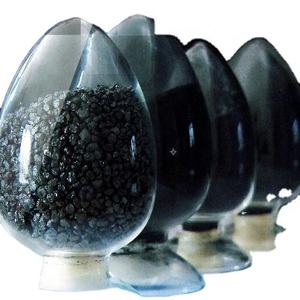
Silicon Carbide, often called SiC or Carborundum, isn’t your everyday sand. It’s a synthetic compound made by combining silicon and carbon at very high temperatures. Think intense heat. The result is an incredibly hard material. How hard? It sits near the top of the hardness scale, right below diamonds. That gives you an idea. You might recognize it as the gritty black stuff on some sandpaper discs or the grains in grinding wheels. It looks dark, often black or dark green, and feels sharp. Unlike natural abrasives, silicon carbide is man-made. This allows for very precise control over its particle size and shape. Its sharp, angular grains make it a powerful cutting tool. It’s designed to bite hard. That inherent toughness is exactly why it gets considered for demanding tasks like working stone.
2. Why Choose Silicon Carbide for Stone?
Stone is hard. Granite, quartz, marble – they resist scratches and wear. To shape or smooth them, you need something even harder. Silicon carbide fits the bill perfectly. Its extreme hardness means it can effectively grind down even the toughest stones. It cuts fast. This speed is a big advantage for professionals. Time is money. But hardness isn’t the only perk. Silicon carbide is also very sharp. Its particles have jagged edges. These edges act like tiny chisels. They chip away at the stone surface efficiently. Heat is a problem when grinding. Friction builds up. Some abrasives break down or lose their edge when things get hot. Silicon carbide handles heat well. It stays sharp longer under pressure. This translates to a longer lifespan for your abrasive tools. It saves you money. Using silicon carbide means less frequent tool changes. You get consistent results. It provides a smoother finish faster than softer abrasives might. For tough stone jobs, silicon carbide is often the best choice.
3. How Silicon Carbide Works on Stone Surfaces
Understanding how silicon carbide interacts with stone helps you use it better. It’s all about abrasion. When you press a silicon carbide abrasive against stone and move it, the sharp silicon carbide grains scrape the stone surface. They remove tiny fragments of material. This is cutting. The process generates heat and dust. The sharpness of the grains is key. As they wear, they fracture. This creates new sharp edges. The abrasive essentially self-sharpens to some extent. This maintains its cutting ability. The type of stone matters. Harder stones like granite require the aggressive cutting silicon carbide offers. Softer stones like limestone might be worked with it, but gentler abrasives could also work. The grit size is crucial too. Lower grit numbers mean bigger, coarser grains. These remove material quickly but leave a rough surface. Higher grit numbers mean finer grains. These remove less material but create a much smoother, polished finish. You often start coarse and move to finer grits. The stone surface goes from rough-cut to beautifully smooth. Water is frequently used. Wet grinding keeps the dust down. It cools both the stone and the tool. This prevents overheating and extends the abrasive’s life. It also gives a cleaner cut. Silicon carbide works well in wet conditions.
4. Silicon Carbide Applications in Stone Work
Where exactly do you see silicon carbide used on stone? The applications are diverse. One major area is shaping. Large diamond saws are common for initial cuts. But for detailed shaping, grinding, and smoothing, silicon carbide abrasives shine. Think grinding wheels on angle grinders or stationary machines. These tackle uneven surfaces, remove old coatings, or shape edges. Profiling stones for countertops often involves silicon carbide tools. Polishing is another big use. After rough grinding, finer grits are needed. Silicon carbide sanding discs, polishing pads, and hand stones come into play. These progressively smooth the stone surface. They remove scratches from coarser grits. You achieve that high-gloss finish on marble countertops or granite floors using these finer abrasives. Sharpening stone tools themselves can involve silicon carbide stones. Restoration work on old stone buildings or monuments frequently uses silicon carbide abrasives. They remove weathering, stains, or old mortar effectively. Sculptors use it for detailed work. Lapidary artists shaping gemstones rely on it. Even in tile setting, silicon carbide rubbing bricks smooth cut edges. It’s a versatile material found across the stone industry. From rough work to final polish, silicon carbide plays a vital role.
5. Silicon Carbide on Stone: Your FAQs Answered
People have questions about using silicon carbide on stone. Here are some common ones.
Is silicon carbide better than aluminum oxide for stone? Often, yes. Aluminum oxide is softer. It wears down faster on hard stone. Silicon carbide is harder and sharper. It cuts faster and lasts longer on materials like granite. For softer stones, aluminum oxide might suffice and be cheaper.
Can silicon carbide cut all types of stone? It works well on most hard stones: granite, quartz, quartzite, basalt. It works on marble and travertine too. Softer stones like limestone or sandstone can be cut, but gentler abrasives might be preferred to avoid excessive removal. Always test first.
How long does a silicon carbide abrasive last? It depends. Factors include the stone hardness, the pressure applied, whether you use water, and the grit size. Generally, because it’s hard and sharp, it lasts longer than softer abrasives on tough stones. Coarse grits wear faster than fine grits.
Is it expensive? Silicon carbide abrasives cost more than basic aluminum oxide ones. But they often last longer and work faster on hard stone. This can make them more cost-effective overall for professional use. You spend less time changing tools.
(is silicon carbide good for use on stone?)
Can I use dry silicon carbide on stone? It’s possible, but not ideal. Dry grinding creates huge amounts of harmful silica dust. It also generates more heat. This heat can damage the abrasive and the stone surface. Using water (wet grinding) is safer, cleaner, and extends tool life. Always wear proper respirators if dry grinding.
RELATED POSTS

Effect of cement temperature on the performance of pce powder

Deterioration of superplasticizer

Fast Charge New Discovery – Layered Crystal Tungsten Oxide Hydrate
what grit silicon carbide to lap shapton glass 6000
can silicon carbide be used for weapons
