High-Quality Silicon Carbide Products | Advanced Ceramic Solutions

Silicon Carbide Sabers? When Super Materials Meet Deadly Force
(can silicon carbide be used for weapons)
Main Product Keywords: Silicon Carbide Weapons
1. What Exactly is Silicon Carbide?
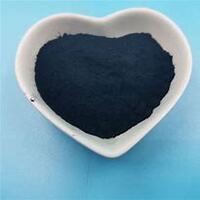
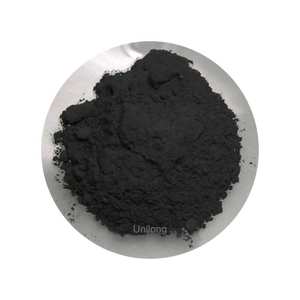
Think of it as nature’s armor, but made in a lab. Silicon carbide isn’t some exotic new discovery. Scientists created it over a century ago trying to mimic diamonds. It forms incredibly hard crystals. Picture sand (silicon) and carbon fused under intense heat. The result? A material almost as hard as diamond itself. Factories now grow silicon carbide crystals in special furnaces. They crush these crystals into powders or bond them into solid blocks. Its toughness is legendary. It laughs at extreme heat, shrugs off harsh chemicals, and resists wear like nothing else. That raw strength immediately makes people wonder: Can this super material handle the brutal world of weapons?
2. Why Would Anyone Consider Silicon Carbide for Weapons?
The appeal is simple: unmatched hardness and lightness. Traditional weapon materials like steel are heavy. Moving them fast takes energy. Armor piercing needs dense, hard tips. Silicon carbide offers a different path. It’s significantly lighter than steel. Imagine body armor plates that stop bullets but don’t crush the soldier wearing them. Or tank armor layers that shatter incoming projectiles without adding tons of weight. Its heat resistance is another weapon-maker’s dream. Gun barrels glow red-hot during rapid fire. Missile nose cones face fiery re-entry. Jet engine parts endure blazing temperatures. Silicon carbide handles heat where steel weakens or melts. This combo – light, hard, heat-proof – screams potential for military tech.
3. How Could Silicon Carbide Actually Be Used in Weapons?
Forget lightsabers. Real-world uses focus on protection and penetration. The biggest role right now is armor. Think bulletproof vests for soldiers. Ceramic plates made from silicon carbide stop rifle rounds cold. They shatter the bullet on impact. Tanks use slabs of it sandwiched between metals. This composite armor defeats armor-piercing shells much better than steel alone. Next, look at vehicle armor. Humvees and APCs need protection against roadside bombs and shrapnel. Silicon carbide panels offer that shield without making the vehicle too heavy to move. Cutting tools are another angle. Silicon carbide grinding wheels and abrasive powders sharpen other weapon parts. They shape tough metals effortlessly. Future ideas? Maybe ultra-durable components inside missiles, rockets, or jet engines where heat and stress are insane. Perhaps even lightweight blades or breaching tools.
4. Real-World Applications: Where is it Happening Now?
You won’t find silicon carbide swords. Practical military uses are already here. Body armor is the star. Companies like Ceradyne and CoorsTek make silicon carbide plates trusted by armies worldwide. These plates fit into vests soldiers wear daily. They save lives by stopping high-velocity bullets. Armored vehicles are next. The US military uses silicon carbide composites in vehicles like the Stryker. This armor stops RPGs and heavy machine gun fire. Naval ships use it too, protecting vital areas from missile fragments. Beyond armor, silicon carbide grit is essential. Arms factories use it to polish gun barrels and smooth missile casings. Its heat resistance makes it perfect for parts near jet turbine blades. Even military electronics benefit. Silicon carbide semiconductors handle the high power and heat inside radar systems and advanced communications gear better than old silicon chips.
5. FAQs: Burning Questions About Silicon Carbide Weapons
Is silicon carbide armor really better than steel?
Yes for stopping bullets and shrapnel. It’s lighter and stops specific threats better. Steel armor thick enough to match it would be unbearably heavy. Silicon carbide plates absorb and break apart the projectile. Steel tries to block it outright, needing more thickness.
Isn’t it too brittle to be a weapon itself?
Absolutely. Trying to make a sword or hammer from pure silicon carbide would be foolish. It would likely shatter on impact. Its power lies in stopping force (armor) or as a component within a larger, tougher system. Think sharp ceramic inserts in armor-piercing shells, not a standalone blade.
Why isn’t it used everywhere if it’s so good?
Cost is the big hurdle. Making high-quality silicon carbide armor is expensive. Much more than steel. Production is complex. Growing large, flawless crystals isn’t easy. Machining the hard ceramic into precise shapes is difficult. Steel is cheaper and easier to work with for many applications.
Are there ethical concerns?
Like any weapon tech, questions arise. Making weapons deadlier or armor more effective fuels arms races. Using advanced materials can make warfare more expensive. It concentrates power with nations that can afford the tech. The ethics depend on who uses it and why.
Could it be used in nuclear weapons?
(can silicon carbide be used for weapons)
Probably not directly. Nuclear weapons need specific materials like plutonium or enriched uranium for the core. Silicon carbide’s extreme heat resistance might find use in components for delivery systems (like missiles), but not in the bomb mechanism itself. Its role remains conventional armor and enabling tech.
RELATED POSTS
what is the difference between silicon carbide and aluminum oxide

Zirconium Diboride Market Report and Outlook (2025-2030) zirconium diboride price
how to machine silicon carbide

what is silicone carbide

3D printing materials steel technology breakthrough which can print any shape car parts without defects
