High-Quality Silicon Carbide Products | Advanced Ceramic Solutions


PRODUCT PARAMETERS
Description
Overview of Silicon Carbide Ceramic
Silicon carbide (SiC) ceramic is a high-performance material known for its exceptional hardness, wear resistance, and thermal stability. It is widely used in cutting tools, abrasives, automotive components, and high-temperature applications due to its superior mechanical properties and chemical inertness.
Features of Silicon Carbide Ceramic
High Hardness: SiC ceramics are among the hardest known materials, making them ideal for abrasive and cutting applications.
Thermal Stability: They can withstand extreme temperatures without degrading, making them suitable for high-temperature environments.
Wear Resistance: Exceptional resistance to wear and abrasion ensures long-lasting performance.
Chemical Inertness: Resistant to most chemicals, including acids and alkalis, enhancing their durability in harsh conditions.
Low Thermal Expansion: Minimal expansion or contraction with temperature changes, ensuring dimensional stability.
Electrical Conductivity: Some forms of SiC ceramics exhibit semiconducting properties, useful in electronic devices.
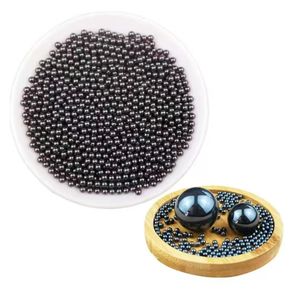
(Silicon Carbide Ceramic Reaction Sintering Sic Ceramic Structural Rods)
Specifications of Silicon Carbide Ceramic Reaction Sintering Sic Ceramic Structural Rods
These silicon carbide ceramic rods are made through reaction sintering. This process creates a very strong material. They handle extreme heat incredibly well. You can use them safely up to 1380°C (2516°F). They resist sudden temperature changes without cracking. High temperatures don’t make them weaken significantly.
These rods are incredibly hard. They resist wear and abrasion extremely effectively. This makes them last much longer in tough conditions. They also possess excellent chemical resistance. Acids, alkalis, and molten salts don’t damage them easily. This stability is crucial for demanding chemical processes.
Their density is typically high. This means they are very solid and durable. They are also electrically conductive. This property is useful for specific electrical or heating applications. Their thermal conductivity is good. Heat moves through them efficiently.
The rods maintain their shape and size precisely under load and heat. Their dimensional stability is excellent. They resist deformation even at high temperatures. This precision is vital for reliable performance.
You will find these rods in furnace parts like burner nozzles and heating elements. They work well in kiln furniture supports. Mechanical components needing wear resistance use them. Chemical processing equipment relies on their stability. Semiconductor manufacturing tools utilize them. They are ideal where high strength, heat resistance, and chemical inertness are non-negotiable. They offer a robust solution for demanding industrial environments.
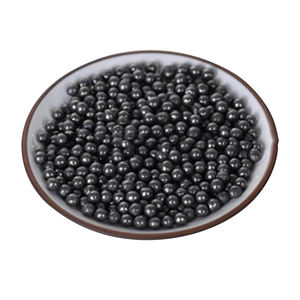
(Silicon Carbide Ceramic Reaction Sintering Sic Ceramic Structural Rods)
Applications of Silicon Carbide Ceramic Reaction Sintering Sic Ceramic Structural Rods
Silicon carbide ceramic rods made by reaction sintering offer real advantages in tough settings. Reaction sintering creates these parts. Manufacturers mix silicon carbide powder with carbon. They shape this mix into rods. Next, they heat the rods very hot. They expose the hot rods to molten silicon. The silicon reacts with the carbon inside the mix. This reaction forms brand new silicon carbide. This new silicon carbide bonds the original particles together. The process fills any gaps left behind. The result is a rod with very high density. It also has excellent strength.
These rods handle extreme conditions well. They resist wear exceptionally. They are very hard. They withstand high temperatures easily. They move heat well. They resist chemical attack strongly. They are also quite light for a ceramic. These properties make them useful in many demanding jobs.
Semiconductor manufacturing uses these rods a lot. They serve as susceptors. Susceptors hold silicon wafers inside furnaces. The rods face intense heat repeatedly. They must not contaminate the wafers. They perform reliably. Furnace construction also needs them. They work as beams, supports, and rollers. Kilns and heat treatment ovens use them too. They survive constant thermal cycling.
Metallurgical processes rely on these rods. They are fixtures and setters. They position metal parts during heat treatment. They touch molten metal often. They resist corrosion and thermal shock. Chemical plants use them similarly. They handle corrosive fluids and gases. They last longer than metal parts. Energy technology uses them. They are components in certain heat exchanger designs. They work where metals fail. They are essential for specific high-temperature sensors. They provide stable platforms.
Company Introduction
Welcome to It-Chuiko, a premier international supplier of high-quality silicon carbide powder and silicon carbide ceramics. Our products are renowned for their exceptional hardness, thermal stability, and wear resistance, making them ideal for abrasives, cutting tools, refractory materials, and advanced semiconductor applications. We serve a diverse range of industries, including automotive, aerospace, and electronics, with a commitment to quality and innovation. With state-of-the-art production facilities and rigorous quality control, we ensure that our customers receive superior products tailored to their specific needs. Partner with us for reliable, high-performance materials that drive your business forward.
If you have any questions, please feel free to contact us(nanotrun@yahoo.com).
Payment Methods
T/T, Western Union, Paypal, Credit Card etc.
Shipment Methods
By air, by sea, by express, as customers request.
5 FAQs of Silicon Carbide Ceramic Reaction Sintering Sic Ceramic Structural Rods
Silicon Carbide Ceramic Reaction Sintering Rods: Key Questions Answered
What exactly are these rods?
These are solid structural rods made from silicon carbide ceramic. They are produced using a specific method called reaction sintering. This process creates a very tough and durable material. The rods keep their shape well under stress.
How is reaction sintering different?
Reaction sintering combines silicon carbide powder with carbon powder. The mixture is shaped into rods. Then it’s heated very hot in a furnace with silicon vapor. The silicon reacts with the carbon. This reaction forms new silicon carbide, bonding everything together. The result is a dense, strong ceramic part with minimal pores.
Why pick reaction sintered SiC rods?
These rods handle extreme heat extremely well. They resist temperatures far higher than most metals. They are also very resistant to chemical corrosion. Acids and bases don’t easily damage them. They are very hard and resist wear. Their strength stays high even when hot. They are also lightweight compared to metals.
Where are these rods typically used?
You find them in tough industrial jobs. They work well inside high-temperature furnaces as supports or beams. They serve in chemical processing equipment handling corrosive materials. They are used in semiconductor manufacturing tools. They are also found in wear parts subject to abrasion. Any place needing strong, heat-proof, corrosion-proof parts might use them.
Can I get custom sizes and shapes?
Yes. The reaction sintering process allows for shaping the ceramic before final firing. Manufacturers can produce rods in various diameters and lengths. They can also make simple custom profiles beyond round rods. Ask the supplier about specific size needs. Production capabilities vary.
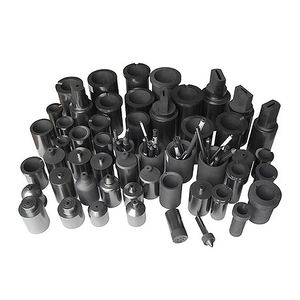
(Silicon Carbide Ceramic Reaction Sintering Sic Ceramic Structural Rods)
REQUEST A QUOTE
RELATED PRODUCTS

reacton sintered sic ceramic refractory plates silicone silicon carbide disk of silicon carbide

SSiC Silicon Carbide Ceramic Square Tile Hex Tile

Excellent Wear-resistant Silicon Carbide Ceramic Board Sic Plate Silicon Carbide for Industrial Furnace