High-Quality Silicon Carbide Products | Advanced Ceramic Solutions

**Silicon Carbide Abrasive: Your Ultimate Guide to Finding the Grit That Gets Things Done**
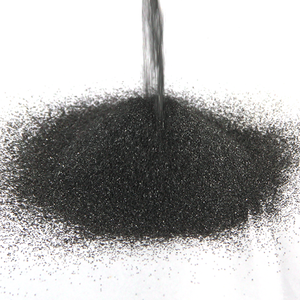
(where to buy silicon carbide abrasive)
Ever stared at a rusty tool, a scratched countertop, or a dull piece of metal and thought, “I need something tougher than my usual sandpaper”? Meet silicon carbide abrasive—the unsung hero of grinding, polishing, and shaping stubborn materials. This stuff isn’t your average grit. It’s sharper, harder, and faster. But where do you even buy it? Let’s break it down.
First, check online marketplaces. Websites like Amazon, eBay, or Walmart’s online store are packed with options. Type “silicon carbide abrasive” into the search bar, and you’ll see sandpaper sheets, grinding wheels, loose grit for DIY projects, and more. Prices vary, so compare a few sellers. Look for reviews mentioning durability or how well the abrasive handled heavy-duty jobs. Buying online is easy, but shipping times can test your patience if you’re in a hurry.
Next, visit local hardware stores. Big chains like Home Depot, Lowe’s, or Ace Hardware often stock silicon carbide products. Head to the sanding or grinding aisle. Ask an employee if you’re stuck—they might point you to sandpaper rolls, abrasive blasting media, or even specialized tools for sharpening knives. Local stores let you inspect the grit texture firsthand. Need it today? This beats waiting for delivery.
For industrial-grade needs, try specialty suppliers. Companies like Grainger, McMaster-Carr, or MSC Direct cater to professionals. Their websites offer abrasives in bulk, custom grit sizes, or products rated for high-speed machinery. Prices here lean higher, but quality is consistent. These suppliers also provide detailed specs, so you know exactly what you’re getting.
Another option? Go straight to manufacturers. Brands like Norton Abrasives, 3M, or SIA produce silicon carbide materials. Their websites often list retailers or let you order samples. Buying direct ensures authenticity. Some even offer customer support to help pick the right grit for your project—handy if you’re grinding glass versus refinishing a concrete floor.
Don’t overlook niche hobby stores. Sites like Rockler (for woodworkers) or Rio Grande (for jewelers) sell fine-grit silicon carbide for detailed tasks. Jewelers use it for polishing gemstones, while woodworkers swear by it for smoothing rough edges on resin or hardwoods. These shops might sell smaller quantities, perfect if you’re experimenting.
Still unsure? Check auto repair shops or metalworking studios. They use silicon carbide abrasives daily. Staff might share where they source supplies. Some shops even sell spare stock to DIYers.
A few tips: Match the grit size to your job. Coarse grit (60-120) tackles heavy material removal. Medium (150-400) smooths surfaces. Fine grit (600+) polishes to a shine. Check if the abrasive is waterproof—critical for wet sanding. And always wear gloves and goggles. This stuff is tough on materials but tougher on skin.
Prices swing widely. A basic 8×11 sandpaper sheet might cost $2, while a industrial grinding wheel runs $50+. Set a budget. For one-off projects, cheap options work. For daily use, invest in durability.
Worried about fake products? Stick to trusted sellers. Read reviews mentioning “long-lasting” or “no shedding.” Cheap knockoffs crumble fast, wasting time and money.
(where to buy silicon carbide abrasive)
Silicon carbide abrasive isn’t magic, but it’s close. Whether you’re restoring a vintage car, crafting jewelry, or battling kitchen counter stains, the right grit makes all the difference. Now that you know where to look, grab some and let the grinding begin.
RELATED POSTS

What is Concrete Superplasticizer?

FV produces spherical roller bearing, single row tapered roller bearings and provides market price of the nsk bearings
