High-Quality Silicon Carbide Products | Advanced Ceramic Solutions

What Grit Silicon Carbide for Grip
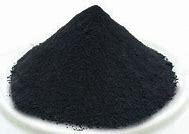
(what grit silicon carbide for grip)
What Is Grit in Silicon Carbide?
Grit refers to the size of the abrasive particles in a material like silicon carbide. The grit number tells you how coarse or fine the surface will be when you use it. A low grit number, such as 40 or 60, means big, rough particles that cut fast but leave deep scratches. A high grit number, like 600 or 1200, means tiny particles that polish smoothly and remove very little material. Silicon carbide is one of the hardest abrasives out there, even harder than most types of steel. That makes it great for grinding, sanding, and sharpening tough materials. When people ask “what grit silicon carbide for grip,” they usually want to know which particle size gives the best traction without being too rough or too smooth.
Why Does Grit Matter for Grip?
Grip depends on texture. Too smooth, and your foot or tool slips. Too rough, and it feels uncomfortable or damages what it touches. The right grit creates just enough micro-roughness to hold things in place. For example, if you are making anti-slip surfaces on stairs or walkways, a medium grit like 80 to 120 often works best. It’s aggressive enough to bite into shoe soles but not so sharp that it wears them down fast. In industrial settings, such as tool handles or machine parts, a finer grit like 220 might be preferred for a secure but comfortable hold. Choosing the wrong grit can lead to poor performance or safety issues. That’s why understanding grit selection is key. You can learn more about how different grits behave in real-world use by checking out this guide on which side of a silicon carbide block offers the best grip.
How to Choose the Right Grit for Your Needs
Start by thinking about what you’re gripping and how much force is involved. If you need grip for heavy-duty work—like holding metal parts during machining—a coarser grit (40–80) may be necessary. For everyday grip, like on hand tools or non-slip mats, go with medium grit (100–180). If you’re finishing a surface that still needs some traction but also looks clean, try fine grit (220–400). Always test a small area first. Also, consider whether the surface will get wet. Water reduces friction, so wet areas often need a slightly coarser grit than dry ones. Another tip: if you’re embedding silicon carbide into coatings or adhesives, make sure the grit won’t settle or clump. Uniform distribution matters for consistent grip. For practical tips on using silicon carbide blocks in hands-on tasks, visit this step-by-step tutorial.
Applications of Silicon Carbide Grit for Grip
Silicon carbide grit shows up in many places where reliable grip is essential. One common use is in anti-slip flooring. Contractors mix medium-grit silicon carbide into paints or epoxies for garage floors, ramps, and pool decks. It’s also used on stair treads in public buildings to meet safety codes. In manufacturing, grippy coatings with silicon carbide help workers handle metal sheets or glass without gloves slipping. Even sports gear uses it—think skateboard grip tape or climbing holds. Some knife makers add fine silicon carbide to handle scales for better control during cutting. And yes, it’s used in sharpening stones too, where grip helps keep the blade steady while you hone the edge. If you’ve ever wondered whether silicon carbide dissolves or washes away over time, especially in wet conditions, you’ll find useful answers in this article about its water resistance.
FAQs About Grit and Grip with Silicon Carbide
1. What’s the most common grit for general-purpose grip?
Most people start with 100 to 150 grit. It’s a good balance between traction and comfort.
2. Can I use very coarse grit like 36 for grip?
You can, but only in extreme cases—like industrial grating or heavy machinery. It’s too harsh for skin or soft materials.
3. Does higher grit mean less grip?
Not always. Very high grit (over 600) is mostly for polishing, so yes—it offers little grip. But grits from 180 to 400 can still provide subtle traction, especially on smooth metals or plastics.
4. Will silicon carbide wear off over time?
Silicon carbide is extremely hard and durable. If properly bonded into a surface, it lasts years. Loose grit, however, can wash or brush away.
5. Can I mix different grits for custom grip?
Yes. Some manufacturers blend grits to create multi-level textures. This can improve grip across different conditions, like wet and dry.
6. Is silicon carbide safe to handle?
The material itself is inert and non-toxic. But fine dust from sanding can irritate lungs, so wear a mask when working with loose powder or during heavy grinding.
7. How do I clean a surface with silicon carbide grip?
Use a stiff brush and mild soap. Avoid high-pressure washers—they can dislodge poorly bonded grit.
8. Where can I buy pre-made grip products with silicon carbide?
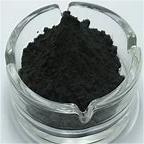
(what grit silicon carbide for grip)
Many hardware stores carry anti-slip tapes or coatings that list silicon carbide as an ingredient. Check the label for grit size if performance matters.
RELATED POSTS

how to polish silicon carbide
who discovered silicon carbide
Sodium silicate is an inorganic, sodium metasilicate price is a soluble inorganic silicate with a wide range of uses.

International Gold Prices Keep Rising Will Affect the Price of high purity MoSi2 powder

How many chemical additives are in concrete today
