High-Quality Silicon Carbide Products | Advanced Ceramic Solutions

Unleashing the Beast: Silicon Carbide HEMTs Explained!
(is silicon carbide a hemt)
So you heard the buzz about Silicon Carbide HEMTs. Maybe you saw it in a tech article or overheard engineers talking. It sounds futuristic. But what exactly is it? Is Silicon Carbide itself a HEMT? Let’s clear that up and dive into this powerful technology.
1. What is a Silicon Carbide HEMT?
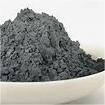
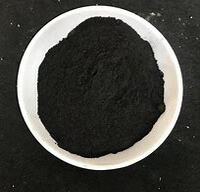
Silicon Carbide (SiC) is a material. It’s not a HEMT itself. Think of SiC as a super-tough ceramic. It’s made from silicon and carbon atoms bonded tightly together. This gives it amazing properties. HEMT stands for High Electron Mobility Transistor. It’s a type of transistor. Transistors are like tiny electronic switches. They control the flow of electricity in circuits.
Put them together: A Silicon Carbide HEMT is a transistor built using Silicon Carbide material. It uses a special design called High Electron Mobility. This design lets electrons zip across the transistor channel super fast. Speed is key for handling high power efficiently. So, a SiC HEMT is a power switch made from this tough SiC material. It uses a fast-moving electron design. This combination is a game changer. It’s much better than older silicon transistors in many ways. We’ll see why next.
2. Why Use Silicon Carbide for HEMTs?
We’ve used silicon for transistors for decades. Silicon works okay. But it has limits, especially with power and heat. Silicon Carbide is different. It’s like upgrading from a regular car engine to a high-performance racing engine. Here’s why SiC rocks:
First, SiC can handle much higher voltages. Imagine a dam holding back water. SiC is like a stronger, taller dam. It stops higher electrical pressures without breaking. This means devices can run at higher voltages safely.
Second, SiC deals with heat incredibly well. Electronics get hot when working hard. Silicon starts to struggle and lose efficiency when things heat up. SiC stays cool under pressure. It can operate at temperatures way hotter than silicon can handle. Think about it like this: silicon melts under a blowtorch faster than SiC does.
Third, SiC lets electricity flow through it with less resistance. Less resistance means less energy lost as wasted heat. This is called higher efficiency. More power gets to where it needs to go. Less power is wasted heating up the device itself.
Fourth, SiC can switch on and off incredibly fast. Speed matters for controlling power precisely. Fast switching allows for smaller, lighter power systems. It also improves overall performance.
These advantages make SiC HEMTs perfect for demanding jobs. Jobs where old silicon transistors would fail or be too bulky. Next, we’ll look at how they build these powerful devices.
3. How Are Silicon Carbide HEMTs Made?
Building a SiC HEMT is complex. It’s like crafting a microscopic masterpiece. The process starts with a base material. This base is a wafer made from pure Silicon Carbide crystal. Growing these large, high-quality SiC crystals is tough. It’s one reason SiC devices cost more than silicon ones.
Special layers are added onto this SiC wafer. These layers are grown very precisely. They create the structure needed for the HEMT. A key part is forming a very thin, high-quality layer. This layer is where the electrons move freely. This is the “channel” for the high electron mobility.
Then comes patterning. This uses light and chemicals to etch tiny patterns onto the wafer. It defines where the transistor parts go. Metal contacts are added. These are the points where wires connect to the transistor. They let electricity flow in and out.
Finally, the wafer gets cut into hundreds or thousands of tiny individual chips. Each chip is a single SiC HEMT. These chips are packaged. Packaging protects them and provides the external electrical connections. The whole process needs super clean rooms and advanced equipment. Making SiC HEMTs is harder than making silicon transistors. But the performance payoff is huge. So where do we see these devices used? Let’s find out.
4. Where Are Silicon Carbide HEMTs Used? (Applications)
SiC HEMTs are powerhouses. They shine in applications needing high power, high efficiency, and high speed. Old silicon devices just can’t compete here. Here are some key areas:
Electric vehicles are a major user. Think about the electronics controlling the motor in your EV. They manage huge amounts of power. SiC HEMTs make these controllers smaller, lighter, and more efficient. This means longer driving range and faster charging. They also handle the power conversion for charging stations.
Solar power and wind energy systems use them too. These systems generate power. They need inverters to convert that power for the electrical grid. SiC HEMTs make these inverters much more efficient. Less solar or wind energy is wasted as heat.
Industrial motor drives benefit greatly. Factories use big electric motors. Controlling these motors efficiently saves massive amounts of energy. SiC HEMTs enable smarter, smaller, and more efficient motor controllers.
Power supplies are getting a boost. From big server farms to compact chargers, SiC HEMTs allow for smaller, lighter power supplies. They deliver power more efficiently.
Even aerospace and defense rely on them. Think about systems in satellites, aircraft, or radar. These need electronics that handle high power, run reliably in extreme conditions, and are lightweight. SiC HEMTs fit the bill perfectly.
5. Silicon Carbide HEMT FAQs
Let’s answer some common questions people have about SiC HEMTs.
Q: Are SiC HEMTs expensive?
A: Yes, generally they cost more than silicon transistors. Making the SiC material and building the devices is harder. But the cost is coming down. For many uses, the benefits outweigh the extra cost. Better efficiency means energy savings. Smaller size saves space. Higher power handling means simpler designs.
Q: Are they hard to use in circuits?
A: They can be trickier than silicon transistors. Designers need to understand their specific needs. Things like driving the gate properly and managing fast switching speeds are important. Special driver circuits are often needed. But support and tools are improving all the time.
Q: How long do SiC HEMTs last?
A: They are very reliable. Silicon Carbide is tough. It handles high temperatures and voltages well. This leads to long lifespans. They are built for demanding environments. Manufacturers test them rigorously.
Q: Are they replacing silicon transistors everywhere?
A: Not everywhere, no. For lower-power, everyday electronics, silicon is still fine. It’s cheaper and well understood. SiC HEMTs are for high-power, high-performance applications. They are the choice when silicon hits its limits. Think of silicon for city cars, SiC for Formula 1 race cars.
Q: What about other materials like Gallium Nitride?
(is silicon carbide a hemt)
A: Gallium Nitride (GaN) is another advanced material. GaN transistors are great for high-speed, medium-power applications. SiC is generally better for very high voltage and high power. Both are competing with silicon in different areas. Sometimes SiC and GaN are even used together in systems.
RELATED POSTS

U.S. Consumer Agency Sues Amazon could have a positive impact on long wigs suppliers
is silicon carbide export controlled
what is silicon carbide SiC used for

Revolutionizing Concrete with PVA Fibers: Enhancing Strength, Durability, and Sustainability pva fiber

Bacterial vaginosis home tests and anonymous hiv testing development
