High-Quality Silicon Carbide Products | Advanced Ceramic Solutions

Title: Silicon Carbide: The Unbreakable Superhero of Modern Materials
(how stong is silicon carbide)
1. What is Silicon Carbide?
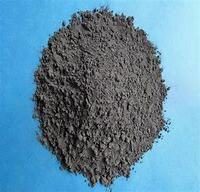
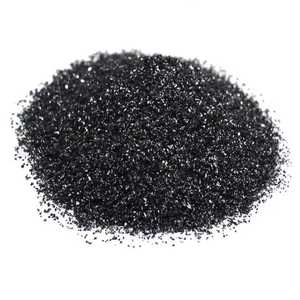
Silicon carbide is not your average material. Think of it as a super tough ceramic. It is made from silicon and carbon. Nature rarely makes it. People usually create it in labs or factories. The process involves high heat. The result is a crystal. This crystal looks dark. It feels very hard. Diamond is famous for its hardness. Silicon carbide comes close. It is almost as hard as diamond. This makes it special. People use it for tough jobs. It handles high heat well. It also resists wear. It does not break easily. These qualities are valuable. Many industries need such a material. Silicon carbide fits the bill. It is a key player in modern technology.
2. Why is Silicon Carbide So Strong?
Strength comes from its structure. The atoms bond tightly. Silicon atoms connect to carbon atoms. This bond is very strong. It forms a rigid network. This network resists bending. It also resists breaking. Hardness measures resistance to scratches. Silicon carbide scores high. Its Mohs hardness is about 9. Diamond is 10. This means it scratches almost everything else. It does not scratch easily itself. Toughness is about resisting cracks. Silicon carbide handles impacts well. It does not shatter easily. Heat resistance is another plus. It stays strong at high temperatures. Other materials melt or weaken. Silicon carbide keeps going. Chemical resistance is also good. Many acids and bases cannot harm it. This combination is rare. It explains the strength.
3. How Do We Make Silicon Carbide?
Making silicon carbide needs heat. The Acheson method is old but still used. It involves sand and coke. These are common materials. Sand provides silicon. Coke provides carbon. Workers mix them together. They place the mix in a furnace. Then they run electricity through it. This creates intense heat. The heat triggers a reaction. Silicon and carbon combine. They form silicon carbide crystals. The furnace cools slowly. Workers then collect the crystals. Another method is chemical vapor deposition. This grows pure silicon carbide layers. It is good for electronics. Both methods need control. Temperature and purity matter. The goal is strong crystals. Quality checks are important. The best crystals go to demanding uses.
4. Where Do We Use Silicon Carbide? (Applications)
Silicon carbide is everywhere now. Its strength opens many doors. Abrasives are a big market. Think sandpaper and grinding wheels. Silicon carbide cuts through metal. It shapes stone. It polishes surfaces. It lasts longer than softer abrasives. Ceramics benefit too. Silicon carbide ceramics are tough. They make excellent armor plates. Bullets cannot penetrate easily. They also make strong nozzles. These nozzles handle sandblasting. They last much longer. Automotive uses are growing. Brake discs get silicon carbide. They stop cars better. They resist heat fade. Electric cars need them especially. Electronics rely on silicon carbide. Power devices use it. These devices handle high voltage. They switch power fast. They lose less energy as heat. This saves electricity. Solar inverters use it. Electric car chargers use it. Even space uses it. Rocket nozzles endure extreme heat. Silicon carbide handles it. Its applications keep expanding.
5. FAQs About Silicon Carbide Strength
People ask common questions. Here are clear answers.
Is silicon carbide stronger than steel? Yes, much stronger in hardness. Steel bends more easily. Silicon carbide is brittle but harder. It wins for wear resistance.
Can silicon carbide break? Yes, but it is tough. It resists cracks well. Sharp impacts might chip it. Normal use rarely breaks it. Proper design helps avoid breaks.
Why not use diamond? Diamond costs much more. Making large pieces is hard. Silicon carbide is cheaper. It works almost as well for many jobs. It is a practical choice.
Is silicon carbide natural? Rarely. A mineral called moissanite exists. It is natural silicon carbide. It is very rare. Most silicon carbide is man-made. We control its quality better.
(how stong is silicon carbide)
How long does it last? Very long in many uses. Abrasive grains wear slowly. Ceramic parts last years. Electronics run reliably for a long time. Its durability is proven.
RELATED POSTS

Applications-of-fumed-silica-powder-fumed-silica-V272

Advancements in Spherical Tantalum Powder: Shaping the Future of High-Tech Industries and Sustainable Manufacturing tantalum oxide powder

Global Future Prospects for Zinc Sulfide zincsulfide

Important progress in graphene preparation will affect the price of graphene cost per gram

Application of animal scales in Animal Husbandry
