High-Quality Silicon Carbide Products | Advanced Ceramic Solutions


PRODUCT PARAMETERS
Description
Overview of Silicon Carbide Powder
Silicon carbide (SiC) powder is a high-performance ceramic material composed of silicon and carbon. Known for its exceptional hardness, thermal stability, and wear resistance, SiC powder is widely used in abrasives, cutting tools, refractory materials, and advanced technological applications like semiconductors and electric vehicle components.
Features of Silicon Carbide Powder
Exceptional Hardness: One of the hardest known materials, second only to diamond, making it ideal for abrasive and cutting applications.
Thermal Stability: High resistance to thermal shock and can withstand extreme temperatures, enhancing its utility in refractory and high-temperature environments.
Chemical Inertness: Resistant to most chemicals, including acids and alkalis, ensuring durability in harsh conditions.
Wear Resistance: Excellent wear resistance properties make it suitable for demanding mechanical applications.
Electrical Conductivity: Depending on the purity and doping levels, SiC can exhibit varying degrees of electrical conductivity, useful in electronics.
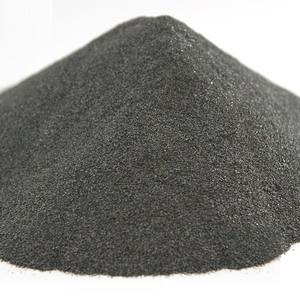
(Silicon Carbide Nanopowder Silicon Carbide Micron Powder)
Specifications of Silicon Carbide Nanopowder Silicon Carbide Micron Powder
Silicon carbide nanopowder and micron powder serve many industrial uses. Both materials share the same chemical makeup. They are incredibly hard and durable. They resist heat and chemicals well. The key difference lies in particle size. Particle size determines the powder’s behavior and applications.
Silicon carbide nanopowder features extremely small particles. These particles typically measure under 100 nanometers. Sometimes they are even smaller, around 20 to 50 nanometers. This tiny size gives nanopowder unique properties. It has a very large surface area. This large surface area makes it highly reactive. Nanopowder often packs tightly. It sinters well at lower temperatures. This makes it perfect for making advanced ceramics. It strengthens composites too. It is used in specialized coatings. High-purity grades are essential for semiconductors and electronics.
Silicon carbide micron powder has larger particles. These particles range from a few micrometers to several hundred micrometers. Micron powder is easier to handle than nanopowder. It flows better. This powder works well for grinding and polishing. It is a common abrasive material. Micron powder strengthens refractories. These are heat-resistant linings for furnaces. It goes into making wear-resistant parts. It is also used in certain ceramics. The color can be green or black. Green silicon carbide is often sharper and harder. Black silicon carbide is tougher. Purity levels vary. High-purity powder is needed for technical applications. Lower purity grades work for less demanding jobs. Both nanopowder and micron powder are valued for their strength and thermal stability.
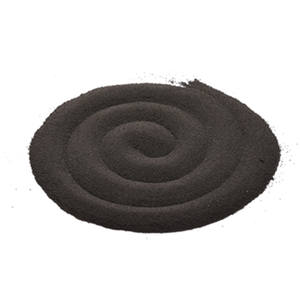
(Silicon Carbide Nanopowder Silicon Carbide Micron Powder)
Applications of Silicon Carbide Nanopowder Silicon Carbide Micron Powder
Silicon carbide powder offers unique properties. It is extremely hard. It handles high temperatures well. It resists chemicals effectively. These qualities make it valuable in many industries. Silicon carbide nanopowder has very small particles. It improves ceramic materials significantly. This powder creates advanced ceramics. These ceramics are strong and durable. They work well under tough conditions. Electronics benefit from silicon carbide nanopowder too. It helps make better semiconductors. These semiconductors handle more power. They run at higher frequencies. Abrasive products use silicon carbide nanopowder. It makes cutting and grinding tools sharper. These tools last longer. Protective coatings often contain silicon carbide nanopowder. These coatings shield surfaces from wear. They resist damage better.
Silicon carbide micron powder has larger particles. It is excellent for grinding and polishing jobs. It produces smooth finishes on metal and stone. Refractory materials rely on silicon carbide micron powder. This powder makes linings for furnaces. These linings withstand intense heat. Metallurgy uses silicon carbide micron powder. It helps produce stronger steel and iron. It improves the quality of these metals. Ceramics manufacturing also uses this powder. It adds strength to ceramic parts. These parts become more reliable. Silicon carbide micron powder enhances composite materials. It makes plastics and rubbers tougher. These composites perform better under stress.
Company Introduction
Welcome to It-Chuiko, a premier international supplier of high-quality silicon carbide powder and silicon carbide ceramics. Our products are renowned for their exceptional hardness, thermal stability, and wear resistance, making them ideal for abrasives, cutting tools, refractory materials, and advanced semiconductor applications. We serve a diverse range of industries, including automotive, aerospace, and electronics, with a commitment to quality and innovation. With state-of-the-art production facilities and rigorous quality control, we ensure that our customers receive superior products tailored to their specific needs. Partner with us for reliable, high-performance materials that drive your business forward.
If you have any questions, please feel free to contact us(nanotrun@yahoo.com).
Payment Methods
T/T, Western Union, Paypal, Credit Card etc.
Shipment Methods
By air, by sea, by express, as customers request.
5 FAQs of Silicon Carbide Nanopowder Silicon Carbide Micron Powder
What is silicon carbide powder?
Silicon carbide powder is a man-made material. It’s incredibly hard and durable. This powder comes from combining silicon and carbon at very high temperatures. It’s known for its strength and resistance to heat and wear. People use it in many tough jobs.
What is the difference between nanopowder and micron powder?
The main difference is the size of the particles. Nanopowder has tiny particles, smaller than one micron. Micron powder has larger particles, typically between one and several hundred microns. The smaller size of nanopowder gives it special properties. It can make materials stronger or change how they react. Micron powder is often chosen for grinding or polishing tasks. It works well because of its larger grit size.
Where is silicon carbide powder used?
This powder has many uses. Its hardness makes it great for abrasives like sandpaper. It’s also used in grinding wheels. The heat resistance is perfect for parts in high-temperature furnaces. Nanopowder is common in advanced ceramics and strengthening metal composites. Micron powder is good for lapping and polishing metals and stones. Both types help in making wear-resistant parts and refractories.
Is silicon carbide powder safe to handle?
Handle it carefully. The fine particles can be dusty. Breathing in this dust is not good for your lungs. Always wear a proper mask when working with it. Good ventilation in your workspace is essential. Wear safety glasses to protect your eyes. Gloves protect your skin. Follow the safety instructions on the product label. Store it correctly to avoid spills.
How should I store silicon carbide powder?
Keep it in a cool, dry place. Moisture can ruin the powder. Make sure the container is tightly sealed. This stops moisture getting in and keeps the powder dry. Keep it away from strong acids or bases. These chemicals could damage it. Store it away from heat sources and open flames. A stable temperature is best. Keep the container upright to prevent leaks.
(Silicon Carbide Nanopowder Silicon Carbide Micron Powder)
REQUEST A QUOTE
RELATED PRODUCTS

China Factory High SiC 97% SiC Raw Materials Refractory 200 Mesh Black Silicon Carbide Powder

High Quality Premium Carborundum Powder With Silicon Carbide Sic Emery Grain Abrasive Solution

Black Silicon carbide micron 2500 Grit 3000 grit 4000 grit Black SiC powder 54C 55C

Customizable Frankfurt Abrasive Polishing Bricks Magnesite Grit Powder Silicon Carbide Material OEM Supported Polishing
Factory custom emery powder silicon carbide powder 6-200 mesh for abrasive polisher emery grain at a low
