High-Quality Silicon Carbide Products | Advanced Ceramic Solutions


PRODUCT PARAMETERS
Description
Overview of Silicon Carbide Ceramic
Silicon carbide (SiC) ceramic is a high-performance material known for its exceptional hardness, wear resistance, and thermal stability. It is widely used in cutting tools, abrasives, automotive components, and high-temperature applications due to its superior mechanical properties and chemical inertness.
Features of Silicon Carbide Ceramic
High Hardness: SiC ceramics are among the hardest known materials, making them ideal for abrasive and cutting applications.
Thermal Stability: They can withstand extreme temperatures without degrading, making them suitable for high-temperature environments.
Wear Resistance: Exceptional resistance to wear and abrasion ensures long-lasting performance.
Chemical Inertness: Resistant to most chemicals, including acids and alkalis, enhancing their durability in harsh conditions.
Low Thermal Expansion: Minimal expansion or contraction with temperature changes, ensuring dimensional stability.
Electrical Conductivity: Some forms of SiC ceramics exhibit semiconducting properties, useful in electronic devices.
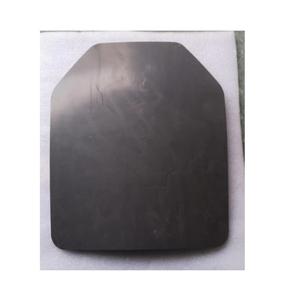
(Reaction sintering RB SiC silicon carbide ceramic SiC ceramic plate)
Specifications of Reaction sintering RB SiC silicon carbide ceramic SiC ceramic plate
This product is reaction sintered silicon carbide ceramic plate. It’s also called RB SiC or response adhered SiC. We make it by penetrating silicon right into porous carbon preforms. The silicon responds with the carbon. This forms new silicon carbide. The silicon also fills continuing to be voids. This produces a thick, strong ceramic plate.
Home plate offers excellent thermal shock resistance. It deals with abrupt temperature modifications well. This is essential for high-heat applications. Its thermal development is extremely reduced. Home plate remains steady size-wise under extreme warmth. This protects against splitting or deforming.
High purity silicon carbide powder is the main material. The last plate is mostly SiC. It likewise contains some totally free silicon. The silicon content is managed specifically. This ensures the most effective buildings. Home plate is extremely tough. It withstands wear and abrasion effectively. It lasts long in severe conditions. Its strength remains high even at temperatures near 1400 ° C. It doesn’t soften like steels.
Chemical resistance is an additional essential attribute. The plate withstands acids, antacid, and molten salts. It carries out well in harsh settings. Its electric buildings are also useful. It can act as a semiconductor or resistor depending on demands.
Common plate sizes differ. Usual densities range from 5mm to 50mm. Sizes and sizes are typically as much as 600mm x 600mm. Larger sizes are sometimes possible. The surface area coating is normally smooth. We maker it to accurate dimensions. Resistances are tight. Monotony is managed thoroughly.
You locate this plate in demanding work. Heating system components use it. Semiconductor handling devices uses it. Kiln furniture utilizes it. Put on components use it. Heat exchanger components utilize it. It works where various other products fail. It handles extreme warmth, quick temperature level shifts, and chemical strike.
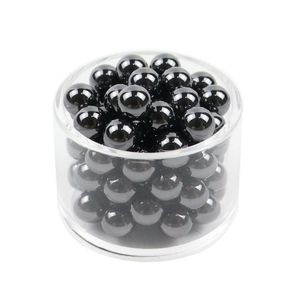
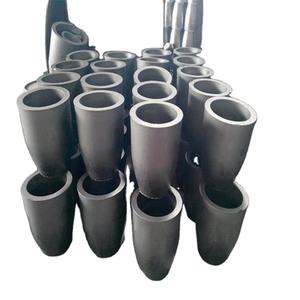
(Reaction sintering RB SiC silicon carbide ceramic SiC ceramic plate)
Applications of Reaction sintering RB SiC silicon carbide ceramic SiC ceramic plate
Reaction Sintered Silicon Carbide (RB SiC) ceramic plates are difficult performers. They manage extreme warm and rough chemicals conveniently. This makes them crucial for requiring sectors. Semiconductor producing depends greatly on RB SiC plates. They hold silicon wafers during high-temperature procedures. The plates reveal marginal thermal expansion. This avoids wafer warping. RB SiC plates are exceptionally flat and smooth. This is crucial for precise chip manufacturing. Their high pureness prevents polluting delicate wafers.
Aerospace and protection applications make use of RB SiC as well. It works well for projectile nose cones and radomes. The material endures extreme heat from rubbing. It likewise stands up to disintegration from high-speed particles. RB SiC plates function as shield elements. They use exceptional ballistic protection. Their firmness stops projectiles properly.
Industrial setups gain from RB SiC’s toughness. These plates are best for furnace furniture. They support components throughout warmth therapy. RB SiC lasts much longer than alternatives. It resists thermal shock and chemical attack. Put on components like nozzles and seals use RB SiC. It manages unpleasant slurries and harsh fluids. This lowers downtime and substitute prices.
The reaction sintering process bonds silicon carbide particles. A silicon melt infiltrates the permeable framework. This develops a dense, solid ceramic. RB SiC has near-net-shape capacity. Complicated forms need marginal final machining. This conserves time and material. RB SiC offers a good equilibrium of residential properties and cost. It provides high efficiency without severe expenditure. Engineers select RB SiC plates for essential jobs. They require materials that won’t fall short under stress.
Company Introduction
Welcome to It-Chuiko, a premier international supplier of high-quality silicon carbide powder and silicon carbide ceramics. Our products are renowned for their exceptional hardness, thermal stability, and wear resistance, making them ideal for abrasives, cutting tools, refractory materials, and advanced semiconductor applications. We serve a diverse range of industries, including automotive, aerospace, and electronics, with a commitment to quality and innovation. With state-of-the-art production facilities and rigorous quality control, we ensure that our customers receive superior products tailored to their specific needs. Partner with us for reliable, high-performance materials that drive your business forward.
If you have any questions, please feel free to contact us(nanotrun@yahoo.com).
Payment Methods
T/T, Western Union, Paypal, Credit Card etc.
Shipment Methods
By air, by sea, by express, as customers request.
5 FAQs of Reaction sintering RB SiC silicon carbide ceramic SiC ceramic plate
Reaction Sintered Silicon Carbide (RB SiC) Ceramic Plate FAQs
What makes RB SiC different from other silicon carbide?
RB SiC uses a special process. Silicon metal reacts with carbon to form the ceramic. This process creates a very dense material. It has almost no pores. Other methods might leave tiny holes.
How hot can RB SiC plates handle?
RB SiC plates resist extreme heat well. They work reliably up to 1380°C (2516°F) in air. They don’t soften or melt at these temperatures. This makes them good for furnaces.
Are RB SiC plates resistant to chemicals?
Yes, they are very resistant. Acids, alkalis, and molten salts rarely damage them. This is important for harsh industrial processes. It helps the plates last a long time.
Is RB SiC strong and hard?
RB SiC is extremely hard. It’s nearly as hard as diamond. This hardness gives excellent wear resistance. The plates also have good mechanical strength. They handle heavy loads without breaking easily.
Why choose RB SiC over cheaper ceramics?
RB SiC offers a unique mix of properties. Its high temperature limit, chemical resistance, and hardness are top-tier. It also resists thermal shock very well. These factors mean less downtime and lower replacement costs. The initial price is higher, but the long-term value is better.
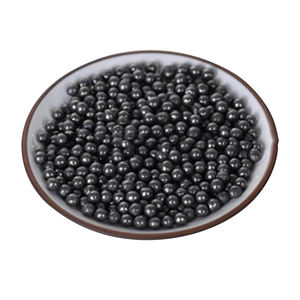
(Reaction sintering RB SiC silicon carbide ceramic SiC ceramic plate)
REQUEST A QUOTE
RELATED PRODUCTS
High Quality Super Hexagon Silicon Carbide Ceramic Tile Plate

High quality porous silicon carbide SiC foam ceramic as filter
silicon carbide ceramic vacuum sintering furnace 1600C 2000C 2200C 2400C customize vacuum furnace

Silicon Carbide honeycomb ceramic Foam Filter Al2O3 Sic ZrO2 MgO 10 20 30 40 50 60 ppi Hydrogen Production

New Premium Quality Silicon Carbide Ceramic Raw Materials Buy From Indian At Best