High-Quality Silicon Carbide Products | Advanced Ceramic Solutions


PRODUCT PARAMETERS
Description
Overview of Silicon Carbide Ceramic
Silicon carbide (SiC) ceramic is a high-performance material known for its exceptional hardness, wear resistance, and thermal stability. It is widely used in cutting tools, abrasives, automotive components, and high-temperature applications due to its superior mechanical properties and chemical inertness.
Features of Silicon Carbide Ceramic
High Hardness: SiC ceramics are among the hardest known materials, making them ideal for abrasive and cutting applications.
Thermal Stability: They can withstand extreme temperatures without degrading, making them suitable for high-temperature environments.
Wear Resistance: Exceptional resistance to wear and abrasion ensures long-lasting performance.
Chemical Inertness: Resistant to most chemicals, including acids and alkalis, enhancing their durability in harsh conditions.
Low Thermal Expansion: Minimal expansion or contraction with temperature changes, ensuring dimensional stability.
Electrical Conductivity: Some forms of SiC ceramics exhibit semiconducting properties, useful in electronic devices.

(OEM Customized refractory material industrial furnace sintered sisic silicon carbide ceramic plate)
Specifications of OEM Customized refractory material industrial furnace sintered sisic silicon carbide ceramic plate
The OEM Customized Refractory Material Industrial Furnace Sintered SiSic Silicon Carbide Ceramic Plate is built for high-temperature industrial use. The base material is sintered silicon carbide (SiSic). This ceramic is made through high-temperature sintering. The process creates a dense, non-porous structure. The plate handles temperatures up to 1650°C. It works in short-term conditions up to 1750°C. Thermal shock resistance is strong. Rapid cooling or heating does not cause cracks. Heat spreads evenly due to high thermal conductivity (120 W/m·K). Mechanical strength is reliable. Compressive strength exceeds 2000 MPa. Flexural strength is over 350 MPa. The plate resists bending under heavy loads. Sizes are customizable. Thickness ranges from 10mm to 100mm. Width and length match furnace requirements. Surface finishes vary. Options include polished, rough, or grooved textures. Chemical resistance is excellent. The plate withstands acids like hydrochloric acid. It tolerates alkalis like sodium hydroxide. Oxidation resistance stays stable in air up to 1600°C. Thermal expansion is low (4.0×10^-6 /°C). This reduces stress during temperature shifts. Electrical insulation works up to 1400°C. The plate suits electric heating systems. Custom machining ensures precise holes and edges. Tolerances stay within ±0.2mm. Applications cover heat treatment furnaces, incinerators, and semiconductor equipment. The plate acts as kiln shelves, radiant tubes, or thermocouple shields. Long service life cuts replacement needs. Custom designs fit existing setups. Industries save costs and boost productivity. Compliance with ISO 9001 standards ensures quality control.

(OEM Customized refractory material industrial furnace sintered sisic silicon carbide ceramic plate)
Applications of OEM Customized refractory material industrial furnace sintered sisic silicon carbide ceramic plate
OEM customized refractory material industrial furnace sintered SiSiC silicon carbide ceramic plates serve critical roles in high-temperature industrial processes. These plates handle extreme heat, resist wear, and maintain stability under harsh conditions. Industries rely on them for efficient, long-lasting furnace operations.
In metallurgy, these plates line furnaces for metal smelting and heat treatment. They withstand temperatures above 1600°C. Their thermal shock resistance prevents cracking during rapid heating or cooling. Custom shapes ensure precise fitting into furnace designs, reducing downtime for replacements.
Chemical processing plants use SiSiC plates in reactors and kilns. They resist corrosion from acids, alkalis, and molten salts. Custom sizing allows integration into complex systems. This reduces material degradation, ensuring consistent performance in aggressive environments.
Glass manufacturing relies on SiSiC plates for forming and annealing glass products. The plates’ smooth surface minimizes defects in glass sheets or containers. High thermal conductivity ensures even heat distribution. Custom thickness options adapt to specific production stages, improving energy efficiency.
Ceramics production uses these plates in kilns for firing tiles, insulators, and advanced ceramics. Their low thermal expansion maintains structural integrity during repeated heating cycles. Custom dimensions fit varied kiln layouts, supporting uniform temperature control. This cuts energy costs and boosts product quality.
Semiconductor fabrication requires ultra-pure materials. SiSiC plates provide contamination-free heating surfaces for wafer processing. Their high purity and thermal stability prevent reactions with sensitive materials. Custom designs accommodate cleanroom specifications, ensuring reliable semiconductor production.
Durability and customization make these plates vital across industries. They reduce maintenance needs, lower operational costs, and enhance process reliability. Manufacturers benefit from tailored solutions that match specific furnace requirements, ensuring optimal performance in demanding applications.
Company Introduction
Welcome to It-Chuiko, a premier international supplier of high-quality silicon carbide powder and silicon carbide ceramics. Our products are renowned for their exceptional hardness, thermal stability, and wear resistance, making them ideal for abrasives, cutting tools, refractory materials, and advanced semiconductor applications. We serve a diverse range of industries, including automotive, aerospace, and electronics, with a commitment to quality and innovation. With state-of-the-art production facilities and rigorous quality control, we ensure that our customers receive superior products tailored to their specific needs. Partner with us for reliable, high-performance materials that drive your business forward.
If you have any questions, please feel free to contact us(nanotrun@yahoo.com).
Payment Methods
T/T, Western Union, Paypal, Credit Card etc.
Shipment Methods
By air, by sea, by express, as customers request.
5 FAQs of OEM Customized refractory material industrial furnace sintered sisic silicon carbide ceramic plate
1. What is SiSiC silicon carbide ceramic plate?
SiSiC stands for reaction-bonded silicon carbide. This material mixes silicon carbide with silicon. It forms a strong ceramic plate through high-temperature sintering. The process creates a dense structure. The plate resists extreme heat, corrosion, wear. It suits industrial furnaces needing durable refractory parts.
2. Why choose sintered SiSiC plates for industrial furnaces?
These plates handle temperatures over 1650°C. They work well in harsh environments. Their low thermal expansion prevents cracking under rapid temperature shifts. They last longer than traditional materials like alumina. They reduce furnace downtime. Maintenance costs stay low.
3. Can these plates be customized for specific furnace designs?
Yes. OEM customization is available. Sizes, shapes, thicknesses adjust to fit different furnace layouts. Holes, grooves, surface textures match client requirements. Custom designs improve furnace efficiency. They ensure perfect alignment with existing components.
4. How does SiSiC compare to other silicon carbide types?
Sintered SiSiC has higher purity and density than nitride-bonded silicon carbide. It offers better mechanical strength. It resists oxidation better at high temperatures. It performs reliably in oxidizing or reducing atmospheres. This makes it ideal for long-term furnace use.
5. What maintenance do SiSiC ceramic plates need?
They need minimal upkeep. Regular visual checks for cracks or surface wear help. Clean them with non-abrasive tools to avoid damage. Avoid sudden temperature changes during heating or cooling. Proper handling ensures they work well for years.
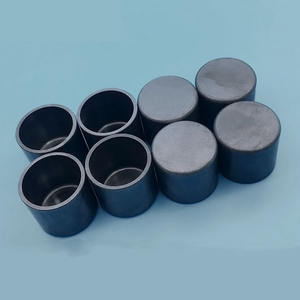
(OEM Customized refractory material industrial furnace sintered sisic silicon carbide ceramic plate)
REQUEST A QUOTE
RELATED PRODUCTS

Sic Ceramic Foam Silicon Carbide for Strong Corrosion Resistant Materials

Sagger Grace-66 High Wear Resistance Silicon Carbide Saggar/ Ceramic Plate Winner Moulding Customizable 0.01 Kiln Furniture 0.2

Industrial Machinable Black Silicon Carbide Plate Sintered Wear Resistant Zirconia Ceramic Silicon Nitride Insulation Rod Shape
Porous ceramic black and white SSIC silicon carbide ceramic tile/hexagonal silicon carbide ceramic plate
