High-Quality Silicon Carbide Products | Advanced Ceramic Solutions


PRODUCT PARAMETERS
Description
Overview of Silicon Carbide Ceramic
Silicon carbide (SiC) ceramic is a high-performance material known for its exceptional hardness, wear resistance, and thermal stability. It is widely used in cutting tools, abrasives, automotive components, and high-temperature applications due to its superior mechanical properties and chemical inertness.
Features of Silicon Carbide Ceramic
High Hardness: SiC ceramics are among the hardest known materials, making them ideal for abrasive and cutting applications.
Thermal Stability: They can withstand extreme temperatures without degrading, making them suitable for high-temperature environments.
Wear Resistance: Exceptional resistance to wear and abrasion ensures long-lasting performance.
Chemical Inertness: Resistant to most chemicals, including acids and alkalis, enhancing their durability in harsh conditions.
Low Thermal Expansion: Minimal expansion or contraction with temperature changes, ensuring dimensional stability.
Electrical Conductivity: Some forms of SiC ceramics exhibit semiconducting properties, useful in electronic devices.
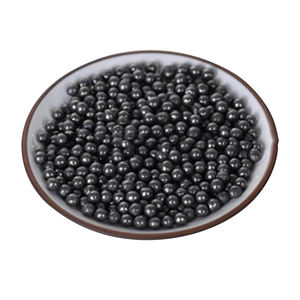
(1400 C oxide bonded silicon carbide plate ( SIC plate ) used in porcelain kiln)
Specifications of 1400 C oxide bonded silicon carbide plate ( SIC plate ) used in porcelain kiln
The 1400 C oxide bonded silicon carbide plate (SIC plate) is made for high-temperature applications in porcelain kilns. The product incorporates silicon carbide grains with an oxide-based binder. This produces a durable structure immune to extreme warmth. The plate runs reliably at temperatures approximately 1400 ° C. It preserves stamina under long term thermal stress. The oxide bonding procedure enhances thermal shock resistance. This avoids splitting throughout fast temperature changes. The reduced thermal development of silicon carbide minimizes warping. Home plate stays stable over duplicated heating cycles.
The SIC plate sustains hefty tons in kiln setups. Its high mechanical strength stands up to contortion. This makes certain regular spacing in between porcelain pieces during shooting. The open framework of oxide bonding permits very little gas interference. It avoids contamination of delicate porcelain surfaces. The non-reactive nature of silicon carbide maintains kiln ambiences clean.
Thermal conductivity is enhanced for also warm distribution. This decreases hot spots in the kiln. Energy effectiveness enhances as a result of effective warmth transfer. The plate’s lightweight layout simplifies handling. Setup and repositioning call for marginal effort. Requirement density varies from 25 mm to 50 mm. Customized sizes adjust to certain kiln layouts.
Maintenance is uncomplicated. The plate stands up to chemical corrosion from kiln gases. Regular cleansing eliminates particles without harming the surface. Lengthy life span reduces substitute expenses. The product withstands rough problems. It stays intact despite contact with kiln furniture or tools.
Porcelain kilns gain from home plate’s warm retention buildings. Firing cycles end up being extra predictable. Luster results stay consistent across sets. The plate’s level surface makes sure uniform support for ceramic products. Warping or sagging is uncommon also after expanded use. Compatibility with oxidation and reduction firing environments adds convenience.
The oxide adhered SIC plate fits commercial and artisanal kilns. Performance remains reliable in continual procedure. Upgrades to kiln performance are possible without major modifications. The item meets needs for accuracy in high-temperature ceramic handling.
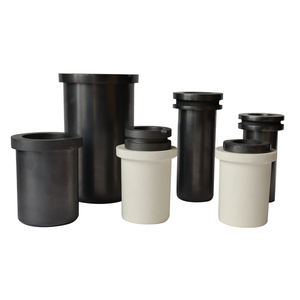
(1400 C oxide bonded silicon carbide plate ( SIC plate ) used in porcelain kiln)
Applications of 1400 C oxide bonded silicon carbide plate ( SIC plate ) used in porcelain kiln
The 1400 ° C oxide bonded silicon carbide plate (SiC plate) serves vital functions in porcelain kilns. It deals with high temperatures well. Porcelain kilns need products that endure duplicated heating. SiC layers job here. They stand up to temperatures approximately 1400 ° C without breaking down. This makes them trusted for firing porcelain. The plates spread warmth evenly. Even home heating stops cracks or bending in porcelain. This boosts product high quality.
SiC layers last longer than various other materials. Typical shelves or sustains deteriorate faster under warmth. SiC plates remain strong with time. This cuts replacement costs. Kiln operators save money. The plates likewise manage quick temperature level changes. Sudden heating or cooling down will not harm them. Porcelain kilns commonly shift temperature levels throughout firing. SiC plates adapt without breaking.
The material’s strength supports hefty tons. Porcelain items differ in size. Kilns pile numerous pieces during shooting. SiC plates hold weight without flexing. This protects against mishaps. Employees rely on the plates for risk-free procedure. The low thermal development of SiC layers issues. They broaden little when heated up. This maintains kiln shelves stable. Spaces or imbalances don’t happen. Firing stays specific.
SiC plates resist chain reactions. Porcelain lusters release fumes at high heat. Various other materials could rust. SiC remains untouched. This prevents contamination. Porcelain surfaces stay clean. The plates require little maintenance. Dirt or polish spills wipe off conveniently. Downtime for cleaning minimizes. Kilns run longer without stops.
Power performance improves with SiC plates. They conduct warmth well. Kilns reach target temperature levels much faster. Much less power gets squandered. Reduced gas prices help manufacturing facilities. Home plates additionally operate in electrical kilns. Rapid heating cycles conserve power.
SiC plates match modern and typical kilns. Their design fits various kiln formats. Updating old kilns is easy. Producers obtain constant outcomes. Porcelain things satisfy top quality criteria whenever.
Company Introduction
Welcome to It-Chuiko, a premier international supplier of high-quality silicon carbide powder and silicon carbide ceramics. Our products are renowned for their exceptional hardness, thermal stability, and wear resistance, making them ideal for abrasives, cutting tools, refractory materials, and advanced semiconductor applications. We serve a diverse range of industries, including automotive, aerospace, and electronics, with a commitment to quality and innovation. With state-of-the-art production facilities and rigorous quality control, we ensure that our customers receive superior products tailored to their specific needs. Partner with us for reliable, high-performance materials that drive your business forward.
If you have any questions, please feel free to contact us(nanotrun@yahoo.com).
Payment Methods
T/T, Western Union, Paypal, Credit Card etc.
Shipment Methods
By air, by sea, by express, as customers request.
5 FAQs of 1400 C oxide bonded silicon carbide plate ( SIC plate ) used in porcelain kiln
What is the maximum temperature the 1400°C oxide-bonded silicon carbide plate can handle? The plate withstands continuous use up to 1400°C. It maintains structural stability in high-heat environments. This makes it ideal for porcelain kilns. The oxide bonding enhances heat resistance. It prevents deformation during firing cycles.
Why choose this silicon carbide plate over traditional materials like alumina or clay? Silicon carbide offers better thermal conductivity. Heat distributes evenly across the plate. This reduces hot spots in the kiln. It also resists thermal shock better than alumina or clay. The material lasts longer under rapid temperature changes.
How do I maintain the silicon carbide plate during use? Clean the plate after each firing cycle. Remove debris or glaze residues gently. Avoid abrasive tools to prevent surface damage. Inspect for cracks or wear regularly. Store it flat to avoid stress on the structure. Proper care extends its service life.
What factors affect the lifespan of the plate in a porcelain kiln? Frequent temperature fluctuations may cause gradual wear. Heavy loading or uneven weight distribution adds stress. Exposure to corrosive glazes or chemicals can degrade the surface. Following usage guidelines minimizes these risks. Most plates last several years with routine maintenance.
Is the silicon carbide plate safe for firing porcelain products? The material is chemically inert at high temperatures. It does not release harmful fumes. It does not react with porcelain clays or glazes. This ensures consistent firing results. The plate’s stability protects product quality.
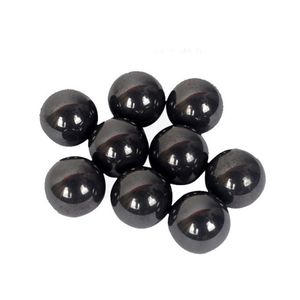
(1400 C oxide bonded silicon carbide plate ( SIC plate ) used in porcelain kiln)
REQUEST A QUOTE
RELATED PRODUCTS

Industrial ceramics SiC Silicon carbide ceramic processing
High Purity Carborundum Grit Lapping Abrasive Black / Green Silicon Carbide SIC for Ceramics

Silicon Carbide Ceramic Pipe Reaction Sintering Sic Ceramic Tube
SSiC Sintered Silicon Carbide Ceramic Rings with Low Friction

High-Strength Silicon Carbide Ceramic Balls for Industrial Grinding Applications
