High-Quality Silicon Carbide Products | Advanced Ceramic Solutions

The Spark of Genius: Who Discovered Silicon Carbide?
(who discovered silicon carbide)
Imagine a scientist working late in his lab. He’s trying something new, mixing sand and carbon. He heats it up, expecting one thing. But he gets something else entirely – something shiny, dark, and incredibly hard. That scientist was Edward Goodrich Acheson. This happened way back in 1891. That accidental discovery changed everything. He found silicon carbide. This man-made mineral is tougher than many natural ones. We call it carborundum. It sparked a revolution in materials science. Let’s dive into this fascinating story.
1. What is Silicon Carbide?
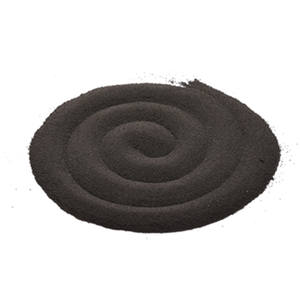
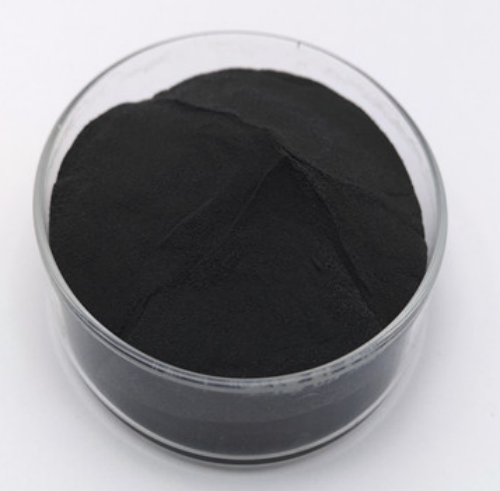
Silicon carbide is a compound. It is made of silicon and carbon atoms bonded together. In nature, it is very rare. We mostly make it ourselves. It looks like dark crystals. These crystals are extremely hard. Only diamonds are harder. Silicon carbide feels rough and gritty. It has a high melting point. It conducts electricity quite well. This makes it special. It is not like regular metals or plastics. It falls into a group called ceramics. But it is a special kind of ceramic. We call it a technical ceramic. It has unique properties that set it apart.
2. Why is Silicon Carbide Special?
Silicon carbide has amazing qualities. First, it is incredibly hard. This hardness makes it perfect for cutting tools. It can grind down other materials easily. Second, it handles heat very well. It doesn’t melt easily. It stays strong even in very hot places. This is useful for things like car brakes. Third, it conducts electricity. Many ceramics do not do this. This property is great for electronics. Fourth, it is lightweight. Materials like steel are much heavier. Fifth, it is very resistant to chemicals. Acids and bases don’t harm it much. These properties make silicon carbide valuable for many tough jobs.
3. How Do We Make Silicon Carbide?
We create silicon carbide artificially. Edward Acheson found the first method. He heated a mix of sand and coke. Sand is mostly silica. Coke is a carbon-rich material. He used a big electric furnace. He passed a strong electric current through the mix. This generated intense heat. The heat caused a chemical reaction. Silicon and carbon atoms bonded. This formed silicon carbide crystals. Today, we still use similar methods. We call it the Acheson process. We have improved it over time. We can now make different types. We can control the purity. We can make fine powders or large crystals. Making silicon carbide needs a lot of energy. It is a high-temperature process.
4. Where Do We Use Silicon Carbide?
Silicon carbide is everywhere. You might not see it, but it is there. Abrasives are a major use. It goes into sandpaper and grinding wheels. It cuts metal, stone, and glass. It polishes surfaces smooth. In the car industry, it is important. Brake discs and pads often have silicon carbide. It helps them handle the heat from stopping. Electronics rely on it too. Power devices like transistors use silicon carbide. It makes them more efficient. It allows for smaller, faster electronics. Refractories use silicon carbide. These are heat-resistant linings for furnaces. They keep the heat in. Jewelry makers use it too. It is a cheaper alternative to diamond for cutting gems. Even bulletproof vests can contain it. It helps stop bullets. It is a versatile material for demanding applications.
5. FAQs About Silicon Carbide
(who discovered silicon carbide)
People often ask questions about silicon carbide. Here are some common ones. Is silicon carbide natural? Mostly no. We synthesize it. Very small amounts exist naturally. Is silicon carbide safe? Generally yes. It is chemically stable. It doesn’t react easily. But the dust can be harmful if inhaled. Always use protection when grinding it. Is silicon carbide expensive? It can be. Making it costs a lot of energy. High-purity forms are pricey. But its long life often justifies the cost. How does it compare to diamond? Diamond is harder. But silicon carbide is much cheaper. Diamond is also a better heat conductor. Why is it good for electronics? It allows devices to handle high voltages. It works at high frequencies. It generates less heat loss. This saves energy. What is the future for silicon carbide? It looks bright. Demand is growing fast. Especially in electric cars and green energy tech. Researchers keep finding new uses. They make better versions.
RELATED POSTS
which has a larger bandgap; silicon or silicon carbide

IN718: The Most Widely Used Superalloy Material in the Field of Additive Manufacturing

What Advantages does Spherical Silica Powder Have?

What is Lithium 12-hydroxystearate?
is silicon carbide an unknown solid