High-Quality Silicon Carbide Products | Advanced Ceramic Solutions

Unveiling Silicon Carbide Media: The Unsung Hero of Surface Prep
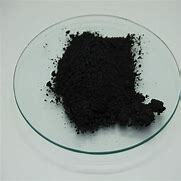
(what is silicone carbide media)
1. What is Silicon Carbide Media?
Silicon carbide media is a special kind of abrasive material. People use it for grinding, polishing, and shaping surfaces. It looks like small particles. These particles can be sharp or blocky. Silicon carbide itself is a very hard material. It is man-made. It is made from silicon and carbon. People sometimes call it SiC. This media comes in different sizes. You can find it as loose grit. You can also find it as preformed shapes. These shapes include triangles and cylinders. The key point is its hardness. Silicon carbide is almost as hard as diamond. This makes it excellent for cutting. It works well on tough materials. These materials include metal, glass, and stone. People use it in many industries. It is a crucial tool for achieving smooth finishes.
2. Why Choose Silicon Carbide Media?
There are several good reasons to pick silicon carbide media. First, it is extremely hard. Hardness means it cuts materials effectively. It removes material quickly. This saves time. Second, it is very sharp. Sharp particles create fine scratches. Fine scratches lead to smoother finishes. Third, it is durable. Silicon carbide particles wear down slowly. They last longer than softer abrasives. This saves money in the long run. Fourth, it is chemically stable. It does not react easily with water or chemicals. This makes it safe for wet processes. Fifth, it creates less heat during grinding. Less heat means less chance of damaging the workpiece. Sixth, it works fast. Its cutting speed is high. All these reasons make silicon carbide media a top choice. It offers efficiency and quality.
3. How is Silicon Carbide Media Made?
Making silicon carbide media involves high heat. The main ingredients are silica sand and carbon. These are mixed together. The mixture goes into a large electric furnace. The furnace gets very hot. Temperatures can exceed 2000 degrees Celsius. This intense heat causes a chemical reaction. The silicon and carbon atoms bond. They form silicon carbide crystals. After cooling, the solid block is broken up. This creates rough chunks of silicon carbide. These chunks are then crushed. Crushing produces smaller particles. The particles are sorted by size. This is done using screens or sieves. Larger particles are used for rough grinding. Smaller particles are for fine polishing. Sometimes, the particles are shaped. They are tumbled to make them less sharp. This produces blocky shapes. These shapes are good for polishing without deep scratches. The whole process requires careful control. Quality checks ensure consistent performance.
4. Where Does Silicon Carbide Media Shine?
Silicon carbide media works in many different places. It is very versatile. In metalworking shops, it polishes steel parts. It removes burrs and sharp edges. It prepares surfaces for painting or coating. In the glass industry, it grinds and polishes glass edges. It makes glass smooth and safe to handle. Lapidaries use it for shaping gemstones. It cuts and polishes rocks like agate or jasper. Woodworkers use it for sanding tough woods. It works well on dense hardwoods. Ceramic manufacturers use it too. It smooths ceramic pieces before firing. In the automotive industry, it finishes engine parts. It helps create precise surfaces. In aerospace, it polishes critical components. Jewelers use fine silicon carbide for polishing precious metals. Hobbyists use it for model making and restoration projects. It is truly a workhorse material.
5. Silicon Carbide Media FAQs
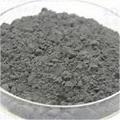
(what is silicone carbide media)
People often have questions about silicon carbide media. Here are some common ones. How long does it last? It lasts longer than many other abrasives. But it depends on the material being worked. Harder materials wear it down faster. Can it be reused? Yes, often it can. But the sharpness decreases with each use. Eventually, it needs replacing. Is it safe? Generally, yes. But always wear safety goggles. Wear a mask when handling fine dust. Good ventilation is important. How does it compare to aluminum oxide? Silicon carbide is harder and sharper. It cuts faster but wears quicker on steel. Aluminum oxide is tougher. It lasts longer on ferrous metals. What about garnet? Garnet is softer and less aggressive. Silicon carbide is better for hard materials. Is it environmentally friendly? It is inert. It doesn’t contain heavy metals. But disposal should follow local regulations. Proper dust collection is key.


