High-Quality Silicon Carbide Products | Advanced Ceramic Solutions

Is Silicon Carbide Safe for Dabbing? The Fiery Truth Revealed
(is silicon carbide safe to dab off)
Dabbing has become a popular way to enjoy concentrates, but the tools you use matter. One material stirring debate is silicon carbide. People wonder if it’s safe to heat up and inhale from. Let’s break it down.
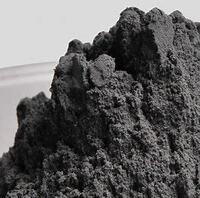
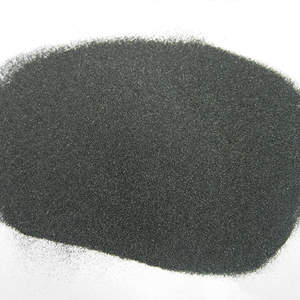
First, what is silicon carbide? It’s a synthetic material made by combining silicon and carbon at high temperatures. The result is a super-hard, durable substance used in everything from car brakes to space shuttle parts. Recently, it’s gained traction in the dabbing world for its heat resistance.
Why do people like it? Silicon carbide can handle extreme temperatures without cracking. Unlike quartz or titanium, it heats up fast and stays hot longer. This means fewer reheats and smoother hits. But the big question remains: is it safe?
Let’s talk heat. Dabbing requires heating a surface to vaporize concentrates. Silicon carbide’s melting point is around 2,700°C (4,892°F). Most dab rigs operate between 315°C and 600°C (600°F–1,112°F). On paper, this means silicon carbide won’t melt or degrade during normal use.
But heat isn’t the only factor. When materials get super hot, they can release tiny particles or gases. Some worry silicon carbide might shed microscopic bits or react with concentrates. Studies show pure silicon carbide is chemically inert at high temps. This means it shouldn’t react with most substances.
Still, not all silicon carbide products are equal. Low-quality versions might contain impurities. These could leach out when heated. Always buy from trusted brands that provide lab test results. Cheap knockoffs might save money now but risk your health later.
Another concern is surface coating. Some manufacturers add non-stick layers to make cleaning easier. If these coatings aren’t heat-resistant, they could break down and release harmful fumes. Stick to uncoated silicon carbide or verify the coating’s safety specs.
How does it compare to other materials? Quartz is popular for its purity, but it can crack under rapid temperature changes. Titanium is tough but can oxidize over time, creating a dull layer that affects flavor. Silicon carbide avoids these issues but comes with its own unknowns.
User experiences vary. Many swear by silicon carbide for its flavor preservation and efficiency. Others report a “metallic” taste, possibly from low-grade materials. If you try it, start with low temps and see how your body reacts.
Experts are split. Some toxicologists argue that silicon carbide’s industrial uses don’t automatically make it safe for inhalation. Others point to its stability and lack of volatile organic compounds. The truth likely lies in the middle—safe when pure and used correctly, risky if cut corners.
What about cleaning? Silicon carbide’s non-porous surface resists residue buildup. A quick swab with isopropyl alcohol usually does the trick. Avoid abrasive scrubbers that could scratch the surface. Scratches might trap residue or create hotspots.
Regulation is fuzzy. The dabbing industry isn’t tightly monitored, so companies aren’t required to prove safety. This puts the burden on consumers to research brands and demand transparency. Look for companies that openly share material certifications.
If you’re still unsure, alternatives exist. Ceramic and sapphire inserts offer similar benefits with longer safety track records. They might cost more, but peace of mind has value.
(is silicon carbide safe to dab off)
Final tip: Listen to your body. If you experience irritation, coughing, or unusual symptoms after dabbing with silicon carbide, switch materials immediately. Your health isn’t worth the experiment.
RELATED POSTS

Introduction-to-explosive-composites-explosive-composites-clad-V269
where to buy 3M imperial silicon carbide sandpaper p/n 02000

Effect of cement temperature on the performance of pce powder

Chinas First Preparation of Ultra-high Purity Rare Earth Modified Alumina
is silicon carbide magnetic
