High-Quality Silicon Carbide Products | Advanced Ceramic Solutions

Spinning Stone: The Secret Life of Silicon Carbide Fibers
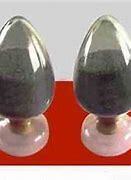
(how silicon carbide fibers are made)
Silicon carbide fibers sound tough. They are tough. Think of them as super-strong threads spun not from wool, but from sand and carbon. They power things needing serious muscle, like jet engines and spacecraft. Ever wonder how you make fibers from something usually rock-hard? Buckle up. We’re diving into the surprisingly intricate world of silicon carbide fiber creation.
1. What Are Silicon Carbide Fibers?
Silicon carbide fibers are thin, continuous strands. They are made mostly of silicon and carbon atoms bonded tightly together. Think of them as the high-performance cousins of materials like fiberglass or carbon fiber. They look like black thread. They feel smooth. But their strength and heat resistance are incredible. They are not brittle like bulk silicon carbide ceramic. Instead, they are flexible enough to weave. This flexibility comes from their tiny size. They are thinner than a human hair. Their internal structure is fine-grained. This structure gives them toughness. They are designed to be embedded in metals, ceramics, or plastics. This makes composites much stronger. These composites handle extreme conditions normal materials cannot.
2. Why Silicon Carbide Fibers Matter
These fibers solve big problems. Materials often fail under intense heat or stress. Jet engines get incredibly hot. Spacecraft face re-entry heat. Nuclear reactors demand radiation resistance. Metals soften. Plastics melt. Carbon fibers oxidize. Silicon carbide fibers laugh at these challenges. They keep their strength even above 2000°C. They resist oxidation remarkably well. This means parts last longer. Safety improves. Performance reaches new levels. Their stiffness is very high. This stiffness helps components resist bending under load. They are also lightweight. Weight savings are crucial in aerospace. Less fuel gets burned. Efficiency increases. Their thermal conductivity helps spread heat. This prevents hot spots. Using them means pushing engineering limits further.
3. How Silicon Carbide Fibers Are Made (The Polymer Route)
Making these wonder fibers is complex. The most common method uses clever chemistry. It starts not with sand, but with special plastic. This plastic contains silicon and carbon atoms. Scientists call it a polycarbosilane. Think of it as a silicon-rich goo. This goo gets spun first. It gets pushed through tiny holes, like spaghetti. This creates thin plastic fibers. These precursor fibers are fragile. They need curing. Curing involves heating them carefully in air. This makes them less sticky. It also makes them infusible. Now comes the magic part: pyrolysis. The cured fibers go into a super-hot furnace. This furnace has no oxygen. Temperatures soar above 1000°C. The intense heat drives off hydrogen and other elements. The remaining silicon and carbon atoms rearrange. They form the strong silicon carbide crystal structure. This process transforms floppy plastic into rigid ceramic fiber. Controlling the heating rate is vital. Too fast causes defects. Too slow wastes energy. The final step might involve coating. A thin layer protects the fiber surface. This improves handling and bonding in composites. The result is a jet-black fiber. It possesses amazing strength and heat tolerance.
4. Where Silicon Carbide Fibers Shine (Applications)
These fibers are not lab curiosities. They work hard in demanding places. Look inside a modern jet engine. You might find them reinforcing turbine blades. This allows higher operating temperatures. Higher temperatures mean better fuel efficiency. Spacecraft heat shields use them. They withstand the fiery plunge back to Earth. High-performance brakes on race cars and airplanes rely on them. They handle the friction heat without fading. Nuclear energy systems use them for fuel cladding. They offer excellent radiation resistance. Cutting tools reinforced with SiC fibers last longer. They slice through tough materials easily. Advanced armor utilizes them. They stop bullets and shrapnel effectively. Even luxury sports cars use them. They make chassis components lighter and stiffer. The demand grows constantly. New applications emerge in electronics and power generation. Anywhere extreme heat, wear, or stress is a problem, silicon carbide fibers offer a solution.
5. Silicon Carbide Fibers: Your Questions Answered
Are they like carbon fiber? Similar idea, different material. Carbon fiber comes from carbon-rich precursors like polyacrylonitrile. Silicon carbide fiber starts with silicon-rich polymers. SiC fibers handle much higher temperatures. They resist oxidation better than carbon fiber.
Why are they so expensive? The process is complex. The starting polymer is costly. Precise temperature control needs special furnaces. Production runs are smaller than for carbon fiber. All this adds up. But the performance justifies the cost for critical uses.
Can you melt them? No. Silicon carbide decomposes before melting. It doesn’t turn liquid. It just breaks down at extremely high temperatures (around 2700°C). This decomposition point is why they are so heat-resistant.
Are they brittle? Less than you think. Bulk silicon carbide ceramic is brittle. The fine fibers have some flexibility. You can bend them, especially in bundles or woven fabrics. They are much tougher than the solid ceramic form.
What’s the main challenge in making them? Controlling the chemistry perfectly. Getting the silicon and carbon ratio right in the polymer is key. The pyrolysis step is tricky. Any impurities or uneven heating creates weak spots. Making consistent, high-strength fibers needs great precision. Scaling up production while keeping quality high is the ongoing challenge.
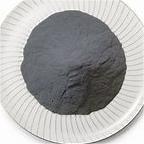
(how silicon carbide fibers are made)
Will they replace carbon fiber everywhere? Unlikely soon. Carbon fiber is cheaper and well-established for many uses. Silicon carbide fiber excels where carbon fiber fails: extreme heat and oxidation. They serve different, often overlapping, high-performance markets.
RELATED POSTS

What is Zinc Oxide Used for?
how do you manufacture black silicon carbide
