High-Quality Silicon Carbide Products | Advanced Ceramic Solutions

Boron and Silicon Carbide: The Unsung Heroes of Modern Industry
(24. what are the uses of boron and silicon carbide?)
Ever wonder what makes your phone screen scratch-resistant or helps rockets handle extreme heat? The answer might surprise you. It’s not always the flashy metals or high-tech plastics grabbing headlines. Sometimes, it’s the quiet performers like boron and silicon carbide working behind the scenes. These two materials might not be household names, but they are incredibly important in countless industries. Let’s dive into what they are and why they matter so much.
1. What Exactly Are Boron and Silicon Carbide?
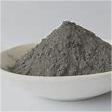
Let’s start with the basics. What are these materials? Boron is a chemical element. It’s number five on the periodic table. In its pure form, it’s a dark powder. Boron is rare in nature as a free element. It usually combines with other elements to form compounds. One of the most common boron compounds is borax. You might know borax as a laundry booster. But boron is much more than that.
Silicon carbide is different. It’s not an element. It’s a compound. It’s made by combining silicon and carbon. Think of it like baking a cake. You mix the ingredients and apply heat. Silicon carbide is incredibly hard. It’s also very resistant to heat and wear. People sometimes call it carborundum. It looks like a dark crystal or a gritty sand. It was first made artificially over a century ago. Today, it’s vital for many tough jobs.
So, boron is an element often used in compounds. Silicon carbide is a man-made compound known for its hardness. Both are crucial for modern technology.
2. Why Are Boron and Silicon Carbide So Special?
Why do we use these materials instead of others? The reasons are their unique properties. Boron is light but strong. It has a high melting point. This means it doesn’t melt easily. Boron is also good at absorbing neutrons. This property is key in nuclear reactors. It helps control nuclear reactions safely.
Boron compounds are also very useful. Boric acid is a mild antiseptic. Borax is used in glassmaking and detergents. Boron fibers are super strong. They are added to plastics and metals to make them tougher. Think of things like golf clubs or aircraft parts.
Silicon carbide is famous for its hardness. It’s nearly as hard as diamond. It can cut, grind, and polish almost anything. It doesn’t wear down quickly. This makes it perfect for abrasive tools. Sandpaper often uses silicon carbide grit. Silicon carbide also handles high temperatures well. It doesn’t expand much when heated. This stability is important for things like furnace parts.
It conducts electricity fairly well for a ceramic. This opens doors for electronics. It can also handle high voltages. These traits make silicon carbide a star in power electronics. It’s also chemically stable. It doesn’t react easily with acids or bases. This makes it last longer in harsh environments. Both materials offer combinations of strength, heat resistance, and stability that are hard to match.
3. How Do We Get and Make Boron and Silicon Carbide?
We don’t just find boron lying around. Most boron comes from minerals. These minerals are mined from the earth. Turkey has large deposits of boron minerals. The U.S. also mines boron, mainly in California. Miners extract minerals like borax and kernite. These are then processed. Factories refine them into useful boron products. This can mean making boric acid or purifying boron for special uses.
Making boron fibers is complex. It involves chemical processes. A boron compound is heated until it vaporizes. This vapor is then deposited onto a thin wire. This builds up a strong boron fiber strand. These fibers are expensive but very strong.
Silicon carbide is man-made. We start with sand and coke. Sand provides silicon. Coke provides carbon. These are mixed together. The mixture is heated in a big furnace. The furnace uses electricity to create intense heat. Temperatures can reach over 2000 degrees Celsius. This heat causes a reaction. The silicon and carbon combine to form silicon carbide crystals.
After cooling, the solid block is broken up. The silicon carbide crystals are sorted by size and quality. Some chunks are large and pure. These might be cut into shapes for industrial use. Others are crushed into fine grains. These grains become abrasives for grinding wheels or sandpaper. Making high-purity silicon carbide requires careful control. This ensures the best properties for demanding applications like semiconductors.
4. Where Do We See Boron and Silicon Carbide in Action?
These materials are everywhere once you know where to look. Let’s see where they are used.
Boron uses are wide-ranging. In agriculture, boron is a micronutrient. Plants need small amounts to grow well. Farmers add boron to fertilizers. This improves crop yields. In glassmaking, boron compounds are essential. They make glass tougher and more heat-resistant. Think Pyrex dishes or lab equipment. Borosilicate glass doesn’t crack easily with temperature changes.
Boron is also important in nuclear power plants. It helps control the nuclear reaction. Boron rods absorb neutrons to keep everything safe. Boron fibers reinforce composite materials. These composites go into aircraft parts, bicycle frames, and sports gear. They make things lighter and stronger. Small amounts of boron are added to steel. This makes the steel harder.
Silicon carbide is a powerhouse in industry. Its hardness makes it a top choice for abrasives. Grinding wheels, sandpaper, and cutting tools often use silicon carbide grit. It grinds down metal, stone, and ceramics effectively. In the steel industry, silicon carbide helps remove impurities. It acts as a deoxidizer.
Its heat resistance shines in high-temperature settings. Kiln furniture, like shelves and supports in furnaces, is often made from silicon carbide. It doesn’t warp or break down easily. Automotive brakes sometimes use silicon carbide composites. They handle the heat and friction of stopping a car well.
Electronics is a big growth area. Silicon carbide semiconductors are better than silicon in some ways. They handle higher voltages and temperatures. They also waste less energy as heat. This makes them great for electric car power systems, solar inverters, and efficient power supplies. Silicon carbide is also used in bulletproof armor and wear-resistant parts for pumps.
5. Frequently Asked Questions about Boron and Silicon Carbide
People often have questions about these materials. Here are some common ones.
Is boron safe? Boron is generally safe in small amounts. It’s a natural element. Our bodies need tiny traces of it. However, too much boron can be harmful. Always follow safety instructions when handling boron compounds. Industrial exposure needs proper controls.
Why is silicon carbide better than silicon in electronics? Silicon carbide can handle much higher power levels. Devices made with it run hotter and at higher voltages without failing. They also switch power on and off faster. This leads to more efficient systems. Less energy is lost as heat. This is crucial for electric vehicles and renewable energy.
Are these materials expensive? Boron itself isn’t extremely costly. However, making high-purity boron or boron fibers is expensive. It requires special processes. Silicon carbide is also more expensive than basic silicon. The cost comes from the energy needed to make it and the purification steps. But for demanding applications, the performance benefits often justify the higher price.
Can silicon carbide be recycled? Yes, it can be recycled. Used silicon carbide grinding wheels and other scrap can be collected. The silicon carbide can be crushed and reused as an abrasive. Or, it might be processed for other industrial uses. Recycling helps reduce waste and cost.
(24. what are the uses of boron and silicon carbide?)
Where can I see boron or silicon carbide in everyday life? You might not see them directly. But boron is in the strengthened glass of your phone screen. It’s in the fiberglass insulation in your attic. It might be in the laundry detergent you use. Silicon carbide is the grit on some sandpapers. It’s in the brake pads of high-performance cars. It’s inside the power converters for your laptop charger. It’s even in some types of bulletproof vests. They are hidden but essential parts of modern life.


