High-Quality Silicon Carbide Products | Advanced Ceramic Solutions

Silicon Carbide: Cancer Risk or Industrial Rockstar?
(is silicon carbide classified as a carcinogen)
1. What Exactly is Silicon Carbide?
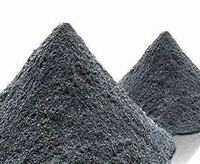
Silicon carbide. It sounds fancy, maybe even a bit intimidating. But what is it? Think of it as nature’s tough guy, made artificially. Imagine taking sand (which is mostly silicon) and mixing it intensely with carbon (like coal or coke). Apply massive heat, and bam! You get silicon carbide. Chemists write it as SiC. It’s incredibly hard. Think harder than many metals. It’s also very resistant to heat. It can withstand temperatures that would melt most materials. This toughness makes it super useful. People often call it carborundum. You might find it as a dark, gritty crystal or a fine powder. It doesn’t dissolve easily in water. It doesn’t catch fire. These properties make it a star player in many tough jobs.
2. Why the Cancer Question?
Okay, so silicon carbide is tough and useful. But why are people asking if it causes cancer? It’s a fair question. We worry about what we breathe in and touch. Some materials, like certain types of asbestos, are known carcinogens. Breathing in their tiny fibers over many years can cause lung diseases, including cancer. So, when something like silicon carbide dust is present in factories, people get concerned. Could breathing in this dust be harmful? Could silicon carbide fibers act like asbestos? Science looks at how materials behave in the body. Can tiny particles lodge deep in the lungs? Do they cause irritation or changes over time? Agencies like the International Agency for Research on Cancer (IARC) study these things. They look at worker health studies and animal tests. The goal is to understand the real risk. The concern isn’t about touching a silicon carbide brake pad or sandpaper. It’s specifically about breathing in lots of the fine dust day after day in certain workplaces.
3. How Do We Handle Silicon Carbide Safely?
So, science isn’t shouting “danger!” for silicon carbide like it does for asbestos. But caution is still wise, especially with dust. How do we use it safely? It boils down to controlling dust. Factories making or using silicon carbide powder need good ventilation. Think strong fans pulling dust away from workers. Workers cutting or grinding silicon carbide parts should use local exhaust. That means capturing dust right where it’s made. Personal protective equipment is key. Respirators mask the nose and mouth, filtering out fine particles. Regular safety goggles protect the eyes from dust or flying bits. Work clothes should be washed separately. Showering after work removes any lingering dust. Good housekeeping matters. Regularly cleaning work areas with wet methods or special vacuums stops dust from building up. Training workers is crucial. They need to know the risks and the right safety steps. Following these rules minimizes any potential hazard.
4. Where Does Silicon Carbide Shine?
Forget the cancer worry for a moment. Silicon carbide is amazing stuff! Its toughness and heat resistance make it indispensable in modern tech. Where do we see it? Abrasives are a big one. Silicon carbide sandpaper, grinding wheels, and blasting media cut, shape, and smooth tough materials like metal, stone, and glass. It’s a key player in cutting tools. Refractories rely on it. These are the heat-resistant linings inside furnaces and kilns. Silicon carbide bricks handle the hellish heat of steelmaking. Electronics love it. Silicon carbide semiconductors are better than regular silicon in some ways. They handle higher voltages, higher temperatures, and switch electricity faster. This makes them perfect for electric car power systems, solar energy inverters, and efficient power supplies. Jewelry makers even use it! Tiny silicon carbide crystals, called moissanite, offer a brilliant, diamond-like sparkle at a lower cost. From grinding metal to powering EVs, silicon carbide is a quiet industrial powerhouse.
5. Your Silicon Carbide Questions Answered
Let’s tackle some common questions people have.
Is silicon carbide banned like asbestos? No, definitely not. It’s widely used across many industries. Regulations focus on safe handling of the dust, not banning the material itself.
Should I worry about silicon carbide in my brake pads or sandpaper? No need for panic. The risk, if any, is linked to breathing large amounts of fine dust over long periods, mainly in industrial settings. Using sandpaper occasionally at home isn’t a concern. Just don’t snort the dust!
Is silicon carbide safe for jewelry? Yes, moissanite gemstones made from silicon carbide are perfectly safe to wear. They pose no health risk.
What about silicon carbide in electronics? The silicon carbide chips inside your phone charger or electric car are safely sealed inside components. You’re not exposed to the raw material.
(is silicon carbide classified as a carcinogen)
Should I avoid products containing silicon carbide? Generally, no. The benefits of silicon carbide in abrasives, high-tech electronics, and heat-resistant materials are huge. The key is using it responsibly, especially controlling dust where it’s produced or processed heavily. It’s about managing workplace safety, not fearing the material in everyday products.
RELATED POSTS

Carbon-air batteries as the next generation of energy storage systems molybdenum disulfide additive new materials overview
is green corundum the same as silicone carbide

What Industries Can Nanomaterials Be Used In

Lawsuit Claims that Skittles are ‘Unfit for Human Consumption’ because of Titanium Dioxide

What is Molybdenum Silicide MoSi2 Powder used for?
