High-Quality Silicon Carbide Products | Advanced Ceramic Solutions


PRODUCT PARAMETERS
Description
Overview of Silicon Carbide Ceramic
Silicon carbide (SiC) ceramic is a high-performance material known for its exceptional hardness, wear resistance, and thermal stability. It is widely used in cutting tools, abrasives, automotive components, and high-temperature applications due to its superior mechanical properties and chemical inertness.
Features of Silicon Carbide Ceramic
High Hardness: SiC ceramics are among the hardest known materials, making them ideal for abrasive and cutting applications.
Thermal Stability: They can withstand extreme temperatures without degrading, making them suitable for high-temperature environments.
Wear Resistance: Exceptional resistance to wear and abrasion ensures long-lasting performance.
Chemical Inertness: Resistant to most chemicals, including acids and alkalis, enhancing their durability in harsh conditions.
Low Thermal Expansion: Minimal expansion or contraction with temperature changes, ensuring dimensional stability.
Electrical Conductivity: Some forms of SiC ceramics exhibit semiconducting properties, useful in electronic devices.
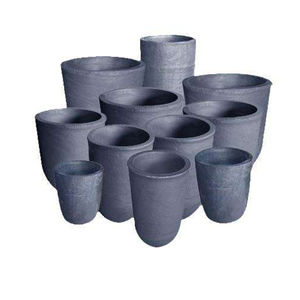
(Non-pressure silicon carbide ceramics)
Specifications of Non-pressure silicon carbide ceramics
Non-pressure sintered silicon carbide ceramics offer a strong combination of properties. They are made using a cost-effective sintering method. This process works well for creating complex shapes. The resulting material is very dense. High density is important for strength. These ceramics are extremely hard. Their hardness is close to diamond. This makes them highly resistant to wear. They handle abrasion effectively. Good thermal conductivity is another key feature. Heat moves through the material quickly. This helps manage temperature changes. Thermal shock resistance is excellent. The ceramics can handle sudden temperature shifts without cracking. They operate reliably at high temperatures. Maximum continuous use temperatures are high. Chemical resistance is outstanding. These ceramics withstand many harsh chemicals. Acids and bases cause little damage. This makes them suitable for corrosive environments. Electrical conductivity can be adjusted. Depending on the grade, they can conduct electricity. This is useful for certain applications. Non-pressure sintered SiC is used widely. It works well in mechanical seals. Wear parts benefit from its durability. Chemical industry equipment uses it. Kiln furniture and heat exchangers employ it. Its properties provide reliable performance. Engineers value its robustness.
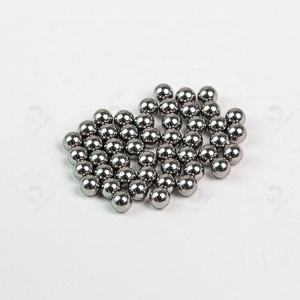
(Non-pressure silicon carbide ceramics)
Applications of Non-pressure silicon carbide ceramics
Non-pressure silicon carbide ceramics are tough materials. They handle rough conditions very well. People use them in many industries because they last a long time. They resist wear extremely effectively. This makes them perfect for parts that rub together a lot. Think about seals, bearings, and pump parts. They see constant friction. These ceramics keep working much longer than metal parts. This saves money on replacements and downtime.
These ceramics also stand up to harsh chemicals. Acids and bases don’t easily damage them. So they work great in chemical plants. You find them in pipes, valves, and linings where chemicals flow. They protect equipment from corrosion. This keeps things running safely.
Heat doesn’t bother them much either. They handle very high temperatures. They also move heat away quickly. This is useful in kilns and furnaces. People use them for burner nozzles and heat exchangers. They move heat efficiently without breaking down. They also work well in high-temperature sensors.
They are electrically conductive in some forms. This opens up other uses. People use them for electrical discharge machining components. They also serve in heating elements for furnaces. They get hot and stay stable. Another area is semiconductor manufacturing. They are used in wafer handling and processing parts. They don’t contaminate the sensitive environment. They provide strength and stability in clean rooms.
Company Introduction
Welcome to It-Chuiko, a premier international supplier of high-quality silicon carbide powder and silicon carbide ceramics. Our products are renowned for their exceptional hardness, thermal stability, and wear resistance, making them ideal for abrasives, cutting tools, refractory materials, and advanced semiconductor applications. We serve a diverse range of industries, including automotive, aerospace, and electronics, with a commitment to quality and innovation. With state-of-the-art production facilities and rigorous quality control, we ensure that our customers receive superior products tailored to their specific needs. Partner with us for reliable, high-performance materials that drive your business forward.
If you have any questions, please feel free to contact us(nanotrun@yahoo.com).
Payment Methods
T/T, Western Union, Paypal, Credit Card etc.
Shipment Methods
By air, by sea, by express, as customers request.
5 FAQs of Non-pressure silicon carbide ceramics
Non-pressure silicon carbide ceramics are a special kind of ceramic. They are made without using high pressure. This process is different from how some other ceramics are made. People have questions about this material. Here are five common questions and their answers.
What are non-pressure silicon carbide ceramics? They are ceramics made mainly from silicon carbide powder. Manufacturers mix the powder with other substances. Then they shape it and heat it at very high temperatures. They do this without applying extra pressure. The result is a strong, hard ceramic part.
Why use non-pressure silicon carbide? This method has big benefits. It is cheaper than methods needing high pressure. It allows making bigger pieces or complex shapes. The ceramics still have great properties. They are very hard and resist wear well. They handle high heat too. These features make them valuable.
How do they compare to other ceramics? They share similarities with other silicon carbide types. They are lighter than steel and resist chemicals better than many metals. They handle heat much better than plastics. Their main difference is in how they are made. The non-pressure way saves money and offers more design freedom.
Where are they used? You find them in many tough jobs. They protect parts in machinery from wearing out. They line pipes carrying rough materials. They work inside high-temperature furnaces. They are in parts for chemical plants. They also serve in some car parts needing heat resistance.
What are their limits? They are strong but can be brittle. This means they might crack if hit hard suddenly. Making very large, perfect pieces can be difficult. They might not be quite as strong as ceramics made under high pressure. But for many uses, their good points make up for this.
(Non-pressure silicon carbide ceramics)
REQUEST A QUOTE
RELATED PRODUCTS

Customized CNC Ceramic Porous Silicon Carbide SiC round Plate / Disc

Reaction sintering RB SiC silicon carbide ceramic SiC ceramic plate

Silicon Carbide Ceramic Disc for Industrial Rolling Furnace Making Sanitaryware Toilet Products

SIC Ceramic Plate High Temperature Resistance Silicon Carbide Black OEM Industrial Ceramic of Silicon Carbide Tubes CN;GUA

Electric Double Spiral Ceramic Silicon Carbide SiC Heating Element
