High-Quality Silicon Carbide Products | Advanced Ceramic Solutions

Silicon Carbide vs. Silicon Dioxide: Two Titans of Tech!
(is silicon carbide sio2)
Okay, let’s clear something up right away. The question “Is silicon carbide SiO2?” pops up a lot. The answer is a big no. Silicon carbide and silicon dioxide are completely different materials. They both involve silicon, but that’s where the similarities mostly end. Understanding what they are and why we use them is key to seeing how they shape our world.
1. What are Silicon Carbide and Silicon Dioxide?
Think of silicon carbide and silicon dioxide as unique building blocks. Silicon dioxide, often called silica or quartz, is everywhere. It’s the main ingredient in sand on the beach. It’s the glass in your windows. Its chemical formula is simple: SiO2. One silicon atom bonded to two oxygen atoms. Nature makes tons of it.
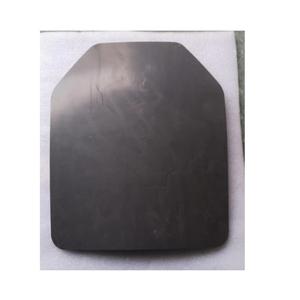
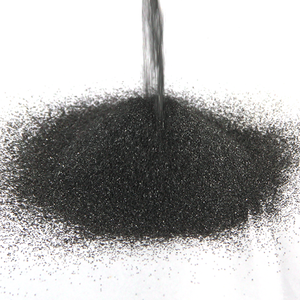
Silicon carbide, on the other hand, is SiC. One silicon atom bonded to one carbon atom. You won’t find huge natural deposits of it like you do with sand. It’s a man-made material, created under intense heat. People sometimes call it carborundum. It looks like a very dark, almost black crystal. It’s incredibly hard. It feels rough. Silicon dioxide feels different. It can be powdery like sand or smooth like glass.
These different structures give them very different properties. Silicon dioxide is generally an insulator. It doesn’t conduct electricity well. Silicon carbide can actually conduct electricity under certain conditions. It’s what we call a semiconductor. This is a huge difference.
2. Why Use Silicon Carbide Instead of Silicon?
This is a big question in electronics. For decades, silicon has been the king. Almost every computer chip you use relies on silicon. It’s good. But silicon has limits, especially when things get hot or need to handle lots of power. Enter silicon carbide.
Silicon carbide is tough. It can handle much higher temperatures than silicon before it fails. This is crucial for things like electric cars and power grids. Devices using silicon carbide can run hotter without breaking. This often means smaller, lighter cooling systems are needed. That saves space and weight.
Silicon carbide also handles electricity more efficiently. When electricity flows through silicon carbide devices, less energy is wasted as heat. This is called higher efficiency. For electric vehicles, this means longer driving ranges on a single charge. For solar power systems, it means more electricity gets from the panels to your home. It allows devices to switch on and off much faster. This speed is vital for modern power converters and chargers.
Yes, silicon carbide is more expensive than silicon right now. But the benefits often outweigh the cost in demanding applications. It’s stronger, faster, and more efficient under pressure.
3. How are These Materials Made?
Making silicon dioxide is usually straightforward. Nature does most of the work! We mine quartz sand. We purify it. For high-purity electronic grade silicon dioxide, we might start with silicon metal. We heat it. We react it with oxygen. The result is very pure SiO2. This pure silica is melted to make glass. Or it’s used as an insulator layer on silicon computer chips. The processes are well-established.
Silicon carbide is trickier. We don’t find big lumps of it naturally. We have to make it. The main way is the Acheson process. We take pure silica sand and mix it with carbon, usually petroleum coke. We pack this mix around a graphite core. We pass a huge electrical current through the core. This heats the mix to over 2000 degrees Celsius. The intense heat causes a chemical reaction. The silica and carbon combine. They form silicon carbide crystals around the core. After cooling, we crush the mass. We separate the silicon carbide crystals. We grind them to the sizes we need. Making high-quality electronic grade SiC is even more complex. It requires special furnaces and careful control.
4. Where Do We Use Silicon Carbide and Silicon Dioxide?
These materials are everywhere, just in different ways.
Silicon dioxide is a workhorse. It’s the foundation of the glass industry. Windows, bottles, smartphone screens – it’s all silica-based. It’s the main component of concrete and ceramics. In electronics, a thin layer of silicon dioxide insulates parts on silicon chips. It’s a key ingredient in optical fibers that carry internet signals. You find it in toothpaste as a mild abrasive. It thickens foods and cosmetics. It’s incredibly versatile.
Silicon carbide is the specialist. Where things get extreme, SiC shines. Its hardness makes it perfect for abrasives. You find it in sandpaper and grinding wheels. It’s used to cut and polish hard materials like stone and metal. Its strength and heat resistance make it valuable in heavy industry. It lines high-temperature furnaces. It’s used in parts for mining and drilling equipment. Crucibles for melting metal might use silicon carbide.
In electronics, silicon carbide is revolutionizing power systems. It’s in the power modules of electric vehicles. It helps manage the battery and drive the motor efficiently. It’s in fast chargers for EVs and electronics. Solar power inverters use it to convert DC to AC power more efficiently. Trains and industrial motors use it. It’s making its way into high-power radio frequency devices too. Wherever high power, high heat, or high speed is needed, silicon carbide is stepping up.
5. FAQs: Clearing Up Common Questions
Let’s tackle some frequent questions about these two materials.
Is silicon carbide SiO2? No. Silicon carbide is SiC. Silicon dioxide is SiO2. Different elements, different structures, different properties.
Is silicon carbide natural? Mostly no. Tiny amounts exist naturally, but almost all silicon carbide used today is synthetic. We make it. Silicon dioxide is abundant naturally as quartz and sand.
Which is harder? Silicon carbide is much harder than silicon dioxide. Diamond is harder than silicon carbide. Silicon carbide is one of the hardest man-made materials. This makes it great for cutting tools and abrasives.
Can silicon carbide conduct electricity? Yes, silicon carbide is a semiconductor. It can conduct electricity, especially when doped with other elements. Silicon dioxide is primarily an insulator. It blocks electricity flow very well. This is why it’s used as an insulating layer on chips.
(is silicon carbide sio2)
Is silicon carbide expensive? Yes, currently, silicon carbide is more expensive than silicon or silicon dioxide. The manufacturing process is complex and energy-intensive. Costs are coming down as production scales up. For many high-performance uses, the benefits justify the cost.
RELATED POSTS

High Purity 3D Printing Stainless Steel SS 316L Powder
silicon carbide reinforced aluminum castings are an example of which category of material?

Zinc oxide nanoparticles sterilization and disinfection mechanism
Application of Nanomaterials and calcium nitride water introduction

Sodium Silicate: An Overview of History, Applications and Modern Developments. sodium water glass
