High-Quality Silicon Carbide Products | Advanced Ceramic Solutions


PRODUCT PARAMETERS
Description
Overview of Silicon Carbide Powder
Silicon carbide (SiC) powder is a high-performance ceramic material composed of silicon and carbon. Known for its exceptional hardness, thermal stability, and wear resistance, SiC powder is widely used in abrasives, cutting tools, refractory materials, and advanced technological applications like semiconductors and electric vehicle components.
Features of Silicon Carbide Powder
Exceptional Hardness: One of the hardest known materials, second only to diamond, making it ideal for abrasive and cutting applications.
Thermal Stability: High resistance to thermal shock and can withstand extreme temperatures, enhancing its utility in refractory and high-temperature environments.
Chemical Inertness: Resistant to most chemicals, including acids and alkalis, ensuring durability in harsh conditions.
Wear Resistance: Excellent wear resistance properties make it suitable for demanding mechanical applications.
Electrical Conductivity: Depending on the purity and doping levels, SiC can exhibit varying degrees of electrical conductivity, useful in electronics.
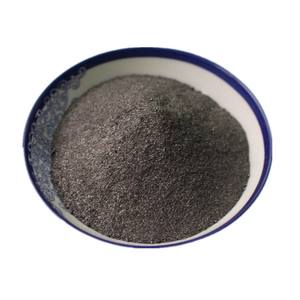
(Black Silicon Carbide SiC 88% and Metallurgy Grade Sic Silicon Carbide)
Specifications of Black Silicon Carbide SiC 88% and Metallurgy Grade Sic Silicon Carbide
Black Silicon Carbide SiC 88% is a common abrasive material. Its silicon carbide content is about 88%. It has a Mohs hardness of about 9.5. This makes it very hard. It is harder than aluminum oxide. This material is brittle. It fractures easily. This creates sharp edges. These sharp edges are good for cutting. Black SiC 88% is conductive. It conducts electricity. It has a black color. It looks dark gray to black. Its crystal structure is sharp. This structure aids grinding. It works well on hard materials. Examples are glass, stone, ceramics. It is also used for non-ferrous metals. It cuts bronze and brass well. It is less effective on tough steel. This grade is affordable. It is widely available. It is popular for grinding wheels. It is also used for sandpaper. Blasting applications use it too.
Metallurgy Grade Silicon Carbide serves the metal industry. It has a higher purity. Silicon carbide content is usually above 97%. It often reaches 98% or more. Its main use is in iron and steel production. It acts as a deoxidizer. It removes oxygen from molten metal. It also serves as a carburizer. It adds carbon to the melt. This improves metal quality. It helps control the carbon content. It makes the steel stronger. Metallurgy grade SiC is tough. It withstands high temperatures. It is used in ladles and furnaces. It adds silicon and carbon simultaneously. This is efficient for foundries. It helps form slag. Slag removes impurities. It improves the fluidity of the melt. This aids casting. The grain size can vary. It depends on the specific process. Coarser grains are common. This grade is essential for producing quality steel and cast iron.
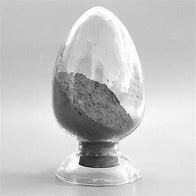
(Black Silicon Carbide SiC 88% and Metallurgy Grade Sic Silicon Carbide)
Applications of Black Silicon Carbide SiC 88% and Metallurgy Grade Sic Silicon Carbide
Black silicon carbide SiC 88% is a very hard material. It works great for abrasive applications. You find it in grinding wheels and sandpaper. It cuts well on tough surfaces like stone, glass, and metal. This material is also good for making refractory products. Refractories handle high heat. Black SiC helps linings in furnaces last longer. It resists wear and heat damage effectively. Manufacturers use it in ceramic components too. It improves the strength of items like nozzles and seals.
Metallurgy grade silicon carbide plays a key role in metal production. Foundries add it to molten iron. It helps control the carbon content in the iron. This step is important for making cast iron. The silicon carbide also removes oxygen from the melt. This purifies the metal. It improves the quality of the final castings. Metallurgy grade SiC aids in steel making. It acts as a deoxidizer and helps form specific alloys. This material is a cost-effective additive. It boosts furnace efficiency and metal properties.
Both types of silicon carbide serve distinct purposes. Black SiC 88% excels in cutting and high-temperature resistance. Metallurgy grade SiC is essential for refining metals. It optimizes the melting process and final metal characteristics. Industries rely on these materials for their unique benefits.
Company Introduction
Welcome to It-Chuiko, a premier international supplier of high-quality silicon carbide powder and silicon carbide ceramics. Our products are renowned for their exceptional hardness, thermal stability, and wear resistance, making them ideal for abrasives, cutting tools, refractory materials, and advanced semiconductor applications. We serve a diverse range of industries, including automotive, aerospace, and electronics, with a commitment to quality and innovation. With state-of-the-art production facilities and rigorous quality control, we ensure that our customers receive superior products tailored to their specific needs. Partner with us for reliable, high-performance materials that drive your business forward.
If you have any questions, please feel free to contact us(nanotrun@yahoo.com).
Payment Methods
T/T, Western Union, Paypal, Credit Card etc.
Shipment Methods
By air, by sea, by express, as customers request.
5 FAQs of Black Silicon Carbide SiC 88% and Metallurgy Grade Sic Silicon Carbide
What is Black Silicon Carbide SiC 88%? It is a type of silicon carbide abrasive. It contains about 88% silicon carbide. The rest includes other materials. People make it in electric resistance furnaces. It has a dark color. It is very hard. It is also quite sharp. It breaks down slowly during use.
What is Metallurgy Grade Silicon Carbide? This grade is for the metal industry. It helps make steel and cast iron better. It adds silicon and carbon to molten metal. This improves the metal’s strength. It also helps remove oxygen. It makes the metal cleaner. Foundries use it often.
How are these grades different? Black SiC 88% is mostly for grinding. It makes surfaces smooth. Metallurgy Grade SiC is for changing metal properties. It works inside the melt. Both are silicon carbide. Their jobs are not the same. Their purity levels might differ slightly.
What makes SiC good for these jobs? Silicon carbide is extremely hard. Only diamond is harder. It handles high heat well. It resists chemical reactions. It breaks down predictably. This makes it reliable. These traits are vital for abrasives and metal treatment.
How do I choose the right grade? Look at your task first. Need to grind or polish surfaces? Pick Black SiC 88%. Need to improve molten metal? Pick Metallurgy Grade SiC. Check the supplier’s specifications. Confirm the purity matches your needs. Ask about grain size options.
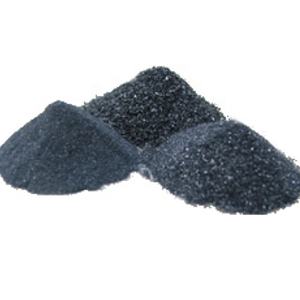
(Black Silicon Carbide SiC 88% and Metallurgy Grade Sic Silicon Carbide)
REQUEST A QUOTE
RELATED PRODUCTS

composite metal powders silicon carbide sealing ceramic sintering Powder metallurgy sintering furnace
Supply First Class Abrasive Material Silicon Carbide Powder with ISO Certification

98% sic silicon carbide powder for abrasives grinding tools
High Purity 98% SiC Silicon Carbide Granulation Powder Silicon Carbide Ceramic Powder
High Strength Kiln Heat Insulation Silicon Carbide And Carbon Refractory Slurry for Thermal Plant Stack Furnaces
