High-Quality Silicon Carbide Products | Advanced Ceramic Solutions


PRODUCT PARAMETERS
Description
Overview of Silicon Carbide Ceramic
Silicon carbide (SiC) ceramic is a high-performance material known for its exceptional hardness, wear resistance, and thermal stability. It is widely used in cutting tools, abrasives, automotive components, and high-temperature applications due to its superior mechanical properties and chemical inertness.
Features of Silicon Carbide Ceramic
High Hardness: SiC ceramics are among the hardest known materials, making them ideal for abrasive and cutting applications.
Thermal Stability: They can withstand extreme temperatures without degrading, making them suitable for high-temperature environments.
Wear Resistance: Exceptional resistance to wear and abrasion ensures long-lasting performance.
Chemical Inertness: Resistant to most chemicals, including acids and alkalis, enhancing their durability in harsh conditions.
Low Thermal Expansion: Minimal expansion or contraction with temperature changes, ensuring dimensional stability.
Electrical Conductivity: Some forms of SiC ceramics exhibit semiconducting properties, useful in electronic devices.

(Refractory nitride bonded silicon carbide plate)
Specifications of Refractory nitride bonded silicon carbide plate
This nitride bonded silicon carbide plate offers high performance in demanding industrial settings. Its core material combines silicon carbide grains with a silicon nitride binder. This bonding method creates a dense, strong structure. The plate typically shows a density around 2.7 g/cm³. This density contributes to its excellent mechanical strength. It handles heavy loads and resists abrasion effectively.
Operating temperatures reach up to 1400°C in air. The material withstands these high temperatures well. It resists oxidation at these extreme heats. Thermal shock resistance is a key advantage. The plate handles sudden, large temperature changes without cracking. This is crucial in processes involving rapid heating or cooling cycles.
Thermal conductivity is relatively high for a refractory. This allows efficient heat transfer through the plate. Users benefit from more uniform heating or cooling in their applications. The plate’s low thermal expansion minimizes size changes during temperature swings. This stability helps maintain dimensional accuracy under heat stress.
Mechanical strength remains high even at elevated temperatures. The plate resists creep deformation under load. Its hardness provides outstanding wear resistance against abrasive materials. Chemical resistance is broad. The material withstands attack from acids, alkalis, and molten metals. This makes it suitable for harsh chemical environments.
Typical applications include furnace linings, kiln furniture, heat treatment fixtures, and burner nozzles. It works well for sintering trays and radiant tubes. The plate serves effectively in aluminum melting and handling. Its durability reduces downtime and maintenance costs.
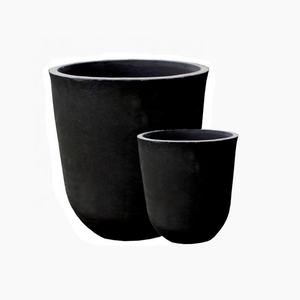
(Refractory nitride bonded silicon carbide plate)
Applications of Refractory nitride bonded silicon carbide plate
Refractory nitride bonded silicon carbide plates are tough materials. They handle extreme heat very well. This makes them useful in many demanding industrial settings.
One key use is kiln furniture. These plates form sturdy shelves and supports inside high-temperature kilns. They hold ceramic or metal parts during firing. The plates resist warping even under heavy loads. Their thermal shock resistance is excellent. This means they survive rapid heating and cooling cycles without cracking. Production runs become more reliable. Kiln downtime reduces.
Heat treatment furnaces also benefit greatly. These plates carry parts through intense heat processes. Think hardening or annealing metals. The material maintains strength at temperatures exceeding 1400°C. It doesn’t soften or sag. Furnace operations stay efficient and safe. Product quality improves.
Metal processing relies on these plates too. They line areas exposed to molten metal splash. Aluminum and zinc processing use them often. The plates withstand the corrosive effects of these metals. They also resist erosion from flowing metal. Crucible supports and launder systems are common spots. Equipment lasts longer. Maintenance costs drop.
Chemical processing plants utilize their corrosion resistance. The plates work in environments with strong acids or alkalis. They serve as linings or support grids in reactors. Their stability under chemical attack is vital. Process safety increases.
Foundries use nitride bonded SiC plates for pouring basins and runners. They guide molten metal into molds. The plates resist thermal shock from the liquid metal. They also endure abrasion from sand and slag. Casting processes become more consistent.
These plates are essential wherever high heat, heavy loads, and harsh conditions meet. Their unique combination of strength, thermal stability, and corrosion resistance solves difficult problems. Industries get durable, dependable performance.
Company Introduction
Welcome to It-Chuiko, a premier international supplier of high-quality silicon carbide powder and silicon carbide ceramics. Our products are renowned for their exceptional hardness, thermal stability, and wear resistance, making them ideal for abrasives, cutting tools, refractory materials, and advanced semiconductor applications. We serve a diverse range of industries, including automotive, aerospace, and electronics, with a commitment to quality and innovation. With state-of-the-art production facilities and rigorous quality control, we ensure that our customers receive superior products tailored to their specific needs. Partner with us for reliable, high-performance materials that drive your business forward.
If you have any questions, please feel free to contact us(nanotrun@yahoo.com).
Payment Methods
T/T, Western Union, Paypal, Credit Card etc.
Shipment Methods
By air, by sea, by express, as customers request.
5 FAQs of Refractory nitride bonded silicon carbide plate
What’s the highest temperature this plate can handle?
It handles continuous heat up to 1650°C (3000°F) in air. Short bursts might reach higher temperatures. Don’t exceed this limit. The plate could weaken or break.
What chemicals damage nitride bonded silicon carbide?
It resists most acids very well. Alkalis attack it. Molten metals like aluminum also cause damage. Certain slags will wear it down. Know your specific chemicals first.
How long does this plate last?
Lifespan varies a lot. It depends entirely on the temperature, the atmosphere, and chemical exposure. Under harsh conditions, it wears faster. In moderate, controlled settings, it lasts much longer. Expect good durability generally.
Does this plate need special care?
It needs minimal maintenance. Avoid sudden, extreme temperature changes. Thermal shock can crack it. Handle it carefully to prevent chipping. Clean it according to the furnace atmosphere’s residue.
Why choose this over cheaper refractories?
It offers superior performance. High thermal conductivity heats things evenly. Extreme hardness resists wear better. Excellent strength handles heavy loads at temperature. You pay more upfront, but it often lasts longer, saving money overall.
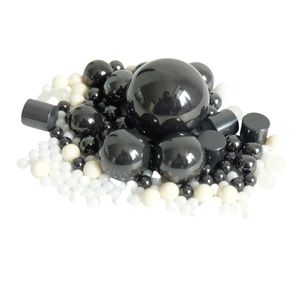
(Refractory nitride bonded silicon carbide plate)
REQUEST A QUOTE
RELATED PRODUCTS

Porous ceramic black and white SSIC silicon carbide ceramic tile/hexagonal silicon carbide ceramic plate
fire proof rbsic sic silicon carbide ceramic burner tube flame nozzle refractory bricks plate for tunnel kiln

Hexagon silicon carbide ceramic sheet factory

High Quality Silicon Carbide Factory Black Silicon Carbide With Good
