High-Quality Silicon Carbide Products | Advanced Ceramic Solutions


PRODUCT PARAMETERS
Description
Overview of Silicon Carbide Ceramic
Silicon carbide (SiC) ceramic is a high-performance material known for its exceptional hardness, wear resistance, and thermal stability. It is widely used in cutting tools, abrasives, automotive components, and high-temperature applications due to its superior mechanical properties and chemical inertness.
Features of Silicon Carbide Ceramic
High Hardness: SiC ceramics are among the hardest known materials, making them ideal for abrasive and cutting applications.
Thermal Stability: They can withstand extreme temperatures without degrading, making them suitable for high-temperature environments.
Wear Resistance: Exceptional resistance to wear and abrasion ensures long-lasting performance.
Chemical Inertness: Resistant to most chemicals, including acids and alkalis, enhancing their durability in harsh conditions.
Low Thermal Expansion: Minimal expansion or contraction with temperature changes, ensuring dimensional stability.
Electrical Conductivity: Some forms of SiC ceramics exhibit semiconducting properties, useful in electronic devices.
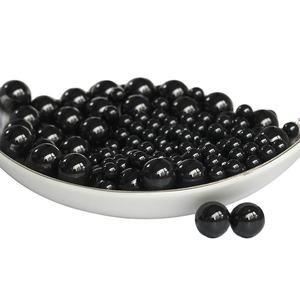
(Refractory Ceramic foam material 97% silicon carbide for foam glass)
Specifications of Refractory Ceramic foam material 97% silicon carbide for foam glass
This ceramic foam material utilizes 97% pure silicon carbide. It’s developed especially for requiring foam glass manufacturing settings. The material supplies exceptional high-temperature performance. It withstands constant use up to 1600 ° C. Short-term direct exposure to even higher temperatures is possible. This warmth tolerance is essential near liquified glass.
Its open-cell foam framework is vital. The porosity is extremely high, generally 85-90%. This creates plenty of interconnected pores. These pores permit hot gases to move easily through the product. Effective gas circulation is essential for consistent foam glass melting. The pore size is managed precisely. Typical sizes range from 1.0 to 3.0 millimeters. You choose the pore size based on your specific procedure needs.
The material has excellent thermal shock resistance. It manages unexpected, severe temperature level adjustments well. Rapid heating or cooling down cycles won’t conveniently split it. This toughness minimizes downtime in foam glass heating systems. The ceramic foam additionally has low thermal conductivity. This helps preserve energy throughout procedure. Much less heat runs away wastefully.
Mechanical toughness is excellent considering its permeable nature. It resists the physical tensions inside manufacturing equipment. The silicon carbide base supplies exceptional chemical security. It stands up to attack from liquified glass components and furnace gases. This corrosion resistance guarantees a lengthy life span. Substitute regularity reduces.
The bulk density is reasonably low for a refractory. It drops between 0.45 and 0.60 grams per cubic centimeter. This lightness makes handling and setup much easier. The product can be found in standard blocks or custom forms. You can cut it to fit your certain heater design. Setup is straightforward.

(Refractory Ceramic foam material 97% silicon carbide for foam glass)
Applications of Refractory Ceramic foam material 97% silicon carbide for foam glass
This ceramic foam material uses 97% silicon carbide. It’s extremely permeable and handles severe warmth well. This makes it best for foam glass manufacturing. Foam glass needs unique molds and supports that survive extreme heat cycles. Silicon carbide foam does this work reliably.
Workers utilize it for mold and mildews shaping the liquified glass mix. The material will not warp or fracture under the heats. Its open structure lets gases escape quickly during the foaming phase. This protects against bubbles or problems in the final foam glass obstructs. Excellent gas release is vital for high quality.
It also works as kiln furniture inside heaters. It holds the glass items steady while they cook. The product’s strength sustains heavy tons without damaging. Its thermal shock resistance indicates abrupt temperature level modifications don’t harm it. This lowers downtime for replacements.
The foam’s reduced thermal conductivity aids manage warmth transfer. This guarantees even heating and cooling throughout the glass set. Consistent temperature levels are important for constant foam glass density and strength. It also conserves power by maintaining warmth inside the heater.
Its chemical inertness is one more huge and also. The silicon carbide doesn’t respond with the warm glass thaw or the gases released. This keeps the glass pure and the foam material lasts much longer. You stay clear of contamination issues. This resilience lowers total manufacturing expenses with time.
Dealing with the product is uncomplicated. Its light-weight nature compared to strong porcelains makes moving and setting up easier for plant employees. Setup times are often much faster. Upkeep requirements are normally reduced as a result of its toughness.
Company Introduction
Welcome to It-Chuiko, a premier international supplier of high-quality silicon carbide powder and silicon carbide ceramics. Our products are renowned for their exceptional hardness, thermal stability, and wear resistance, making them ideal for abrasives, cutting tools, refractory materials, and advanced semiconductor applications. We serve a diverse range of industries, including automotive, aerospace, and electronics, with a commitment to quality and innovation. With state-of-the-art production facilities and rigorous quality control, we ensure that our customers receive superior products tailored to their specific needs. Partner with us for reliable, high-performance materials that drive your business forward.
If you have any questions, please feel free to contact us(nanotrun@yahoo.com).
Payment Methods
T/T, Western Union, Paypal, Credit Card etc.
Shipment Methods
By air, by sea, by express, as customers request.
5 FAQs of Refractory Ceramic foam material 97% silicon carbide for foam glass
What is this ceramic foam material?
This is a special porous block made almost entirely of silicon carbide. It’s designed for filtering molten glass in foam glass production. The material withstands extreme heat and harsh chemical conditions inside furnaces.
How does it work in foam glass making?
Molten glass flows through the tiny open pores in the foam block. Solid impurities and bubbles get trapped inside this network. Clean glass passes through ready for forming. It acts like a high-temperature filter.
Why use silicon carbide specifically?
Silicon carbide handles intense heat incredibly well. It doesn’t melt or break down easily in the molten glass environment. It also resists attack from the chemicals present. This durability is crucial for reliable, long-lasting filtration.
What size foam filter is needed?
The right pore size depends on your specific glass melt and the impurity levels. Finer pores trap smaller particles but might slow the flow rate. Coarser pores allow faster flow but catch fewer small impurities. Manufacturers offer various pore sizes to match different production needs.
How long does the filter block last?
Lifespan varies based on operating temperatures, glass chemistry, and flow rates. Generally, the high purity silicon carbide offers excellent resistance to wear and corrosion. This means it lasts significantly longer than many alternative filter materials under similar tough conditions.
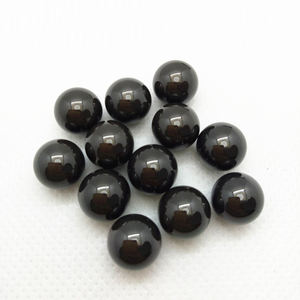
(Refractory Ceramic foam material 97% silicon carbide for foam glass)
REQUEST A QUOTE
RELATED PRODUCTS

China High Hardness Black Silicon Carbide SiC Ceramic Plate Substrate
Excellent Wear-Resistant Silicon Carbide Ceramic Tubes Industrial Mining Refractory Products Custom Cutting Moulding Available
Supplied Silicon Carbide Ceramic Cylinder Ball

2mm 2.38mm 2.5mm 3mm 4mm 5mm 6mm SI3N4 Silicon Carbide Bearing Ball Sic Ceramic Balls

High Purity Advanced Ceramics Alumina Zirconia Silicon Nitride Silicon Carbide Ceramic In China