High-Quality Silicon Carbide Products | Advanced Ceramic Solutions


PRODUCT PARAMETERS
Description
Overview of Silicon Carbide Ceramic
Silicon carbide (SiC) ceramic is a high-performance material known for its exceptional hardness, wear resistance, and thermal stability. It is widely used in cutting tools, abrasives, automotive components, and high-temperature applications due to its superior mechanical properties and chemical inertness.
Features of Silicon Carbide Ceramic
High Hardness: SiC ceramics are among the hardest known materials, making them ideal for abrasive and cutting applications.
Thermal Stability: They can withstand extreme temperatures without degrading, making them suitable for high-temperature environments.
Wear Resistance: Exceptional resistance to wear and abrasion ensures long-lasting performance.
Chemical Inertness: Resistant to most chemicals, including acids and alkalis, enhancing their durability in harsh conditions.
Low Thermal Expansion: Minimal expansion or contraction with temperature changes, ensuring dimensional stability.
Electrical Conductivity: Some forms of SiC ceramics exhibit semiconducting properties, useful in electronic devices.
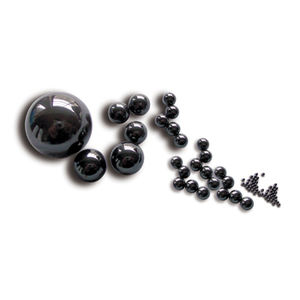
(High Temperature Resistance Silicon Carbide ceramic board Si3N4 nitride bonded silicon carbide sic slab plate)
Specifications of High Temperature Resistance Silicon Carbide ceramic board Si3N4 nitride bonded silicon carbide sic slab plate
The High Temperature Resistance Silicon Carbide Ceramic Board combines silicon carbide (SiC) with silicon nitride (Si3N4) bonding for superior performance in extreme conditions. This material handles temperatures up to 1650°C without losing structural integrity. It maintains strength under prolonged heat exposure, making it ideal for industrial applications requiring durability. The board resists thermal shock effectively, preventing cracks during rapid temperature changes.
Its composition ensures high mechanical strength. The flexural strength reaches 250 MPa, supporting heavy loads without deformation. The hardness level is 90 HRA, offering excellent wear resistance. This reduces material degradation in abrasive environments.
The low thermal expansion coefficient (4.5×10⁻⁶/°C) minimizes size changes under heat. Thermal conductivity stays at 120 W/m·K, enabling efficient heat distribution. This property suits applications needing consistent temperature management.
Chemical resistance is another key feature. The board withstands acids, alkalis, and molten metals. It performs reliably in corrosive settings like chemical processing or metal smelting.
Standard thickness ranges from 10 mm to 50 mm. Custom sizes are available to fit specific needs. The surface finish is smooth, reducing friction in high-wear scenarios.
Applications include kiln furniture, heat treatment fixtures, and furnace linings. It serves in metallurgy, aerospace, and energy sectors. The material’s stability improves process efficiency in sintering, annealing, and brazing operations.
Installation is straightforward due to precise dimensional tolerances. The board integrates seamlessly into existing systems. Minimal maintenance is required, lowering operational costs over time.
This silicon carbide ceramic board meets industry standards for high-temperature equipment. It provides a cost-effective solution for demanding thermal environments. Users benefit from extended service life and reduced downtime.
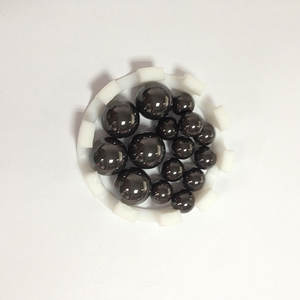
(High Temperature Resistance Silicon Carbide ceramic board Si3N4 nitride bonded silicon carbide sic slab plate)
Applications of High Temperature Resistance Silicon Carbide ceramic board Si3N4 nitride bonded silicon carbide sic slab plate
High-temperature resistance silicon carbide ceramic boards with Si3N4 nitride bonding are widely used in industries requiring materials that perform under extreme heat. These boards combine silicon carbide’s natural strength with nitride bonding for enhanced durability. They handle temperatures over 1600°C without degrading. Their low thermal expansion reduces cracking risks during rapid heating or cooling. This makes them reliable for long-term use in harsh conditions.
In metallurgy, these ceramic boards serve as furnace linings, crucibles, and heat treatment trays. They withstand molten metals and aggressive chemical environments. Their thermal conductivity ensures even heat distribution. This improves process efficiency and product quality.
Aerospace applications include engine components and thermal protection systems. The boards shield parts from high-speed airflow and combustion heat. Their lightweight nature helps reduce overall aircraft weight. This contributes to fuel efficiency and performance.
The energy sector uses these boards in heat exchangers, burner plates, and insulation for gas turbines. They tolerate prolonged exposure to flames and corrosive gases. Their stability ensures consistent operation in power plants and renewable energy systems.
Electronics manufacturing relies on them for semiconductor processing equipment. They act as wafer supports and diffusion plates in high-temperature furnaces. Their electrical insulation prevents interference with sensitive components.
Glass production uses the boards as molds and rollers. They maintain shape under intense heat during glass forming. Their non-stick surface minimizes defects in finished products.
Chemical processing plants apply them in reactors and piping. They resist acids, alkalis, and abrasive materials. This extends equipment lifespan and reduces maintenance costs.
These ceramic boards are also found in kilns, incinerators, and solar thermal systems. Their versatility across industries stems from their ability to endure extreme conditions while maintaining structural integrity. Manufacturers value them for improving productivity and lowering replacement costs.
Company Introduction
Welcome to It-Chuiko, a premier international supplier of high-quality silicon carbide powder and silicon carbide ceramics. Our products are renowned for their exceptional hardness, thermal stability, and wear resistance, making them ideal for abrasives, cutting tools, refractory materials, and advanced semiconductor applications. We serve a diverse range of industries, including automotive, aerospace, and electronics, with a commitment to quality and innovation. With state-of-the-art production facilities and rigorous quality control, we ensure that our customers receive superior products tailored to their specific needs. Partner with us for reliable, high-performance materials that drive your business forward.
If you have any questions, please feel free to contact us(nanotrun@yahoo.com).
Payment Methods
T/T, Western Union, Paypal, Credit Card etc.
Shipment Methods
By air, by sea, by express, as customers request.
5 FAQs of High Temperature Resistance Silicon Carbide ceramic board Si3N4 nitride bonded silicon carbide sic slab plate
What temperature can silicon carbide ceramic boards handle?
Silicon carbide ceramic boards withstand temperatures up to 1650°C. They stay stable in extreme heat without warping or cracking. This makes them ideal for industrial furnaces, kilns, and high-heat machinery. The material resists oxidation even under prolonged exposure.
Where are these boards commonly used?
These boards are used in high-temperature industrial setups. Examples include furnace linings, kiln furniture, metal processing equipment, and semiconductor manufacturing. They also serve in aerospace for heat shields. Their durability suits environments with rapid temperature changes.
What advantages do silicon carbide boards have over other ceramics?
Silicon carbide boards last longer under stress compared to alumina or zirconia. They handle thermal shock better. Their low thermal expansion reduces cracking risks. They conduct heat efficiently, spreading it evenly. This prevents hotspots in applications.
How should these boards be handled during installation?
Handle boards carefully to avoid chipping. Use tools designed for hard ceramics. Cut or drill before heating to prevent damage. Wear protective gear to shield against dust. Follow manufacturer guidelines for mounting to ensure stability.
Do silicon carbide boards need special maintenance?
Maintenance is minimal. Check for cracks or wear during routine inspections. Clean surfaces with non-abrasive materials to remove debris. Avoid sudden temperature drops after heating. Proper care extends service life significantly.
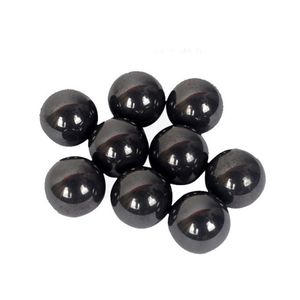
(High Temperature Resistance Silicon Carbide ceramic board Si3N4 nitride bonded silicon carbide sic slab plate)
REQUEST A QUOTE
RELATED PRODUCTS

Square silicon carbide ceramic for ballistic plate

New Premium Quality Silicon Carbide Ceramic Raw Materials Buy From Indian At Best
Most economical black sic silicon carbide black silicon carbide for glass precision ceramics

Sic Ceramic Foam Filter 10-60 Ppi /aluminium Casting Ceramic Foam/honeycomb Filter Ceramic Plates Silicon Carbide Grey CN;SHX

Optimal Performance Silicon Carbide Ceramic Shaft Sleeve Rod Shape Insulation Feature Ceramic Parts Insulator Bending Processing
