High-Quality Silicon Carbide Products | Advanced Ceramic Solutions

The Unbreakable Gem: What Exactly Is Silicon Carbide Crystal?

(what kind of crystal is silicon carbide)
Silicon carbide. The name sounds technical, maybe even a bit dull. But hold that thought. This remarkable material is far from ordinary. It’s a crystal boasting strength rivaling diamonds, handling heat like a champion, and quietly powering some of our most advanced technology. Forget boring lab stuff; silicon carbide is the unsung hero of the modern world. Let’s crack open its secrets.
1. What is Silicon Carbide?
Silicon carbide, often called SiC or carborundum, is a synthetic compound. It’s made from just two abundant elements: silicon (Si) and carbon (C). Picture this: one silicon atom tightly bonded to one carbon atom. This simple pairing creates something extraordinary. SiC isn’t a single mineral like quartz found naturally. Tiny amounts exist in rare meteorites, but the silicon carbide we use is almost always man-made. Its crystal structure is key. Think of it like a super-strong Lego pattern where silicon and carbon atoms lock together in a rigid, repeating lattice. This arrangement gives silicon carbide its incredible toughness. It’s one of the hardest materials known, nearly as hard as diamond. It also laughs in the face of extreme heat, conducts electricity under the right conditions, and resists chemical attack. Essentially, silicon carbide is nature’s tough guy, perfected in the lab.
2. Why Choose Silicon Carbide Over Other Materials?
Silicon carbide brings unique advantages to the table. Its toughness is legendary. It scratches almost everything else but gets scratched by very little. This makes it perfect for grinding, cutting, and wear-resistant parts. Heat resistance is another superpower. Silicon carbide keeps its strength and shape at temperatures where metals melt and other ceramics weaken. Think blast furnaces or rocket nozzles. It also handles heat brilliantly, pulling heat away from hot spots efficiently. Electrically, silicon carbide is a semiconductor. This might sound complex, but it means it can control electricity much better than regular silicon, especially at high voltages and temperatures. This leads to smaller, more efficient electronic devices. Silicon carbide resists chemical corrosion too. Acids, alkalis, molten salts – it shrugs them off where other materials fail. This combination of hardness, heat tolerance, electrical properties, and chemical resistance makes silicon carbide a top choice where performance under pressure is non-negotiable.
3. How is Silicon Carbide Crystal Made?
Creating high-quality silicon carbide crystal isn’t simple. The most common method is the Acheson process. Imagine a huge, long furnace. Workers fill it with a mix of pure silica sand (SiO2) and petroleum coke (carbon). Graphite electrodes run huge electrical currents through this mix. The intense heat, reaching over 2200°C (4000°F), triggers a chemical reaction. The carbon steals oxygen atoms from the silica, leaving behind silicon and carbon bonded together as silicon carbide crystals. The result is a big, solid mass. Workers break this mass apart. Inside, they find lumps of silicon carbide crystals of varying sizes and purity. This material is excellent for abrasives and refractories. But for electronics and high-end applications, we need bigger, purer, single crystals. That’s where advanced techniques come in. Physical Vapor Transport (PVT) is the main one. Workers place a silicon carbide seed crystal in a special furnace. They heat silicon carbide powder nearby until it vaporizes. The vapor then travels and carefully deposits atom by atom onto the cooler seed crystal. This grows large, high-purity silicon carbide boules slowly and precisely. These boules get sliced into thin wafers, the foundation for powerful electronic chips.
4. Silicon Carbide Applications: Where This Super-Crystal Shines
Silicon carbide isn’t just interesting science; it’s everywhere in demanding jobs. Abrasives are a classic use. Grinding wheels, sandpaper, cutting tools – silicon carbide grit cuts through metal, stone, and glass efficiently. Refractories rely on its heat resistance. Kiln furniture, furnace linings, and parts in steelmaking handle extreme temperatures thanks to SiC. Automotive engineering loves silicon carbide. Ceramic brake discs in high-performance cars use SiC for amazing heat dissipation and fade resistance. The real revolution is in power electronics. Silicon carbide semiconductors are transforming electric vehicles. They allow smaller, lighter chargers and inverters that work faster and waste less energy as heat. This means longer driving ranges and quicker charging times. Renewable energy systems like solar inverters also benefit massively from SiC efficiency. Even space tech uses silicon carbide. Its ability to handle radiation and harsh conditions makes it ideal for spacecraft components. Less obvious uses include high-end jewelry (as diamond simulant “moissanite”), bulletproof armor plates, and specialized mirrors for telescopes. Wherever extreme conditions meet, silicon carbide is often the answer.
5. Silicon Carbide FAQs: Your Questions Answered
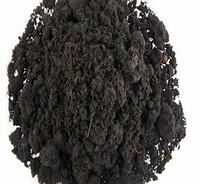
(what kind of crystal is silicon carbide)
People often ask common questions about silicon carbide. Is it natural? Mostly no. While tiny amounts exist naturally as moissanite in meteorites or rare rock formations, nearly all silicon carbide used industrially is synthetic. Is it like silicone? Absolutely not. Silicone is a flexible, rubbery polymer used in sealants and implants. Silicon carbide is a hard, crystalline ceramic. Is it expensive? Generally, yes, especially the high-purity single crystals for electronics. The complex manufacturing processes drive up the cost compared to silicon or basic ceramics. But the performance benefits often justify the price. Is it safe? Silicon carbide itself is chemically very stable and generally considered inert and safe for most applications. However, like any fine dust, breathing silicon carbide powder during industrial processing can be harmful, requiring proper safety measures. Why is it important for electric cars? Silicon carbide chips in the car’s power electronics (like the inverter controlling the motor) are much more efficient than silicon chips. This reduces energy loss as heat, leading to longer range per charge, faster charging, and potentially smaller, lighter components. The future looks bright for this tough crystal.
