High-Quality Silicon Carbide Products | Advanced Ceramic Solutions

Title: Grit Showdown: Silicon Carbide vs Aluminum Oxide – Which Grinds Your Style?
(what is the difference between silicon carbide and aluminum oxide)
Ever stare at the sandpaper aisle feeling lost? Those grey and brown sheets hide a world of difference. The real heroes are the tiny, super-hard crystals glued on top: silicon carbide and aluminum oxide. Picking the wrong one wastes time and money. This guide cuts through the confusion. We’ll pit these grit giants head-to-head. Discover what makes them tick, why they matter, and how to pick your champion for any grinding, sanding, or cutting battle.
1. What Are Silicon Carbide and Aluminum Oxide?
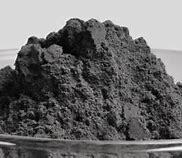
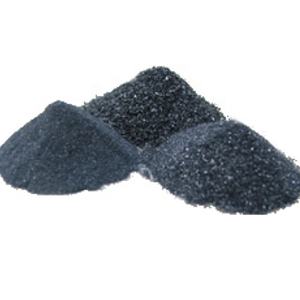
Think of them as nature’s tough cookies, made smarter by science. Aluminum oxide (Al2O3) starts life as bauxite ore. We cook it intensely in electric arc furnaces. This process creates a super-hard, tough mineral. It looks brown or reddish-brown in its basic form. White and ceramic versions exist too, even tougher. Silicon carbide (SiC) is different. We make it by mixing pure silica sand and petroleum coke under extreme heat. The result? Sharp, brittle, jet-black crystals. They look like shiny black sand. Both are abrasives. They scratch and wear away other materials. Aluminum oxide feels like a tough, reliable brick. Silicon carbide acts like a sharp, fragile piece of obsidian glass. This basic difference shapes everything they do.
2. Why Choose One Over the Other?
The choice boils down to material hardness versus abrasive sharpness. Aluminum oxide wins the toughness contest. It resists breaking under pressure. This toughness makes it last longer grinding hard materials like steel, iron, or hardwoods. It’s the workhorse. Silicon carbide is the scalpel. Its crystals fracture easily. This sounds bad. Actually, it creates fresh, razor-sharp edges constantly. This sharpness excels at cutting very hard, brittle materials. Think glass, ceramic tile, stone, or soft metals like aluminum and copper. Silicon carbide cuts these fast. Using aluminum oxide on glass? It slides around, barely scratching. Using silicon carbide on steel? It dulls instantly, wasting money. Match the abrasive to the job.
3. How They Perform in the Real World
Let’s see them in action. Grab silicon carbide sandpaper. Rub it on a piece of glass. It bites instantly, creating fine dust. Now try aluminum oxide. It feels slippery, leaving faint marks. Flip the test. Sand a piece of hardened steel with silicon carbide. It cuts fast initially. The grit breaks down quickly. You need more paper. Switch to aluminum oxide. It grinds steadily, lasting much longer. Water changes things too. Silicon carbide loves water. Wet sanding keeps it cool, prevents loading, and extends its life on stone or tile. Aluminum oxide handles dry grinding fine. Its toughness resists heat better on metals. Pressure matters. Heavy pressure shatters silicon carbide too fast. Lighter pressure lets its sharpness shine. Aluminum oxide handles heavy pressure better.
4. Applications: Where Each Grit King Reigns
Knowing their strengths guides your toolbox picks. Aluminum oxide dominates metalworking. Find it on grinding wheels for sharpening tools, bench grinders, and cutting discs. It shapes steel beams and welds. Sandpaper for wood? Mostly aluminum oxide. It tackles hardwoods and softwoods without tearing. Floor sanders rely on it. Silicon carbide rules non-metallic realms. Glass workers use it for cutting and edging. Tile setters use SiC blades and sandpaper for perfect grout lines. Lapidaries polish stones with it. Sharpening? It’s king for ceramic knives and honing stones. Wet/dry sandpaper is usually silicon carbide. Mechanics use it for smoothing body filler before paint. It preps surfaces smoothly. Electronics use SiC powder for polishing silicon wafers. Each has its kingdom.
5. FAQs: Your Top Grit Questions Answered
People ask these often. “Can I use them interchangeably?” Usually not. Match the abrasive to the material. Wrong choice means poor results and higher cost. “Which lasts longer?” Generally, aluminum oxide lasts longer on tough metals. Silicon carbide wears faster but cuts faster on its preferred materials. “Is one safer?” Not really. Both create dust. Always wear a mask. Silicon carbide dust is finer. Good ventilation is crucial. “Why the color difference?” Aluminum oxide is naturally brown. We bleach it for white versions. Silicon carbide is naturally black. “What about coated abrasives?” Sandpaper, belts, discs – all use these grits bonded to backing. The grit type defines the job. “Price difference?” Silicon carbide often costs a bit more per sheet. But using the right one saves money overall. Less wasted material, faster work.
(what is the difference between silicon carbide and aluminum oxide)
Understanding this grit duel saves frustration. Aluminum oxide tackles tough, fibrous materials head-on. Silicon carbide slices through hard, brittle stuff with ease. Keep this simple rule: Hard metal or wood? Grab aluminum oxide. Glass, tile, stone, or soft metal? Reach for silicon carbide. Your projects will go smoother, faster, and look better.