High-Quality Silicon Carbide Products | Advanced Ceramic Solutions

The Great Grind-Off: Silicon Carbide vs. Tungsten Carbide – Which Wears Out First?
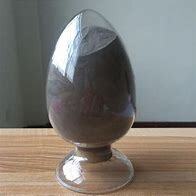
(what wears faster silicon carbide vs tungsten carbide)
In the tough world of industrial materials, wear resistance is king. Parts that last longer save money and downtime. Two heavyweights in this arena are Silicon Carbide (SiC) and Tungsten Carbide (WC). People often ask, “Which one wears out faster?” It seems simple, but the answer is more like a wrestling match than a sprint. Let’s step into the ring and see how these materials hold up.
1. What Are Silicon Carbide and Tungsten Carbide?
Silicon Carbide, often called carborundum, is a man-made ceramic. It’s made by combining silicon and carbon at very high temperatures. The result is an incredibly hard material. Think of it like super-hard sand. It’s known for its sharpness and resistance to heat and chemicals. You find it in things like sandpaper, cutting tools, and even bulletproof vests.
Tungsten Carbide is a different beast. It’s a composite material, usually made of tungsten metal particles cemented together with cobalt or nickel. This gives it a unique combination of hardness and toughness. It’s much denser than silicon carbide. Imagine it like a super-dense metal that’s really hard to scratch or break. It’s famous for its use in drill bits, mining tools, and even the tips of ballpoint pens. Both materials are champions against wear, but they fight the battle differently.
2. Why Does Wear Resistance Matter?
Everything wears out eventually. Friction, impact, corrosion – they all chip away at materials over time. In factories, mines, or power plants, worn-out parts mean machines stop working. Stopping machines means lost production time and expensive repairs. Choosing the right wear-resistant material is crucial for saving money and keeping things running smoothly.
For parts like pump seals, bearings, cutting tools, or liners in chutes and hoppers, resisting wear is the main job. If a material wears down too fast, it fails. This is why comparing SiC and WC is so important. Picking the wrong one for the job can lead to frequent replacements and higher costs. Understanding how they wear helps make the best choice.
3. How Do We Compare Their Wear Rates?
Saying one material wears faster than another isn’t straightforward. It depends heavily on how it’s being worn down. Think about wearing out shoes. Running on pavement wears them differently than hiking on rocks. The same goes for SiC and WC.
Hardness: Silicon Carbide is generally harder than Tungsten Carbide. On the Mohs scale, SiC is around 9-9.5, while WC is about 8.5-9. Hardness helps resist scratching and abrasion from smaller particles. So, against fine, hard abrasives, SiC might wear slower.
Toughness: Tungsten Carbide is much tougher than Silicon Carbide. Toughness means resistance to cracking or chipping under impact. If the wear involves heavy impacts, bumps, or large particles hitting the surface, WC will hold up better. SiC, being brittle, can crack or chip more easily in these situations.
The Wear Mechanism: Is it sliding abrasion (like sandpaper rubbing)? Is it impact (like rocks hitting)? Is it erosion (like high-speed particles)? Each scenario favors one material over the other. SiC excels in pure abrasion against fine particles. WC excels when there’s impact involved.
Environment: Are there chemicals present? SiC has excellent chemical resistance. WC is generally good too, but its metal binder (like cobalt) can sometimes be attacked by acids. Is it wet or dry? Temperature? All these factors play a role.
So, asking “which wears faster” needs context. It’s like asking “which is stronger, glass or steel?” Glass is harder (scratch-resistant), but steel is tougher (won’t shatter).
4. Where Are They Used? Applications
Because they resist wear differently, SiC and WC find homes in different jobs:
Silicon Carbide (SiC) Applications:
Abrasive Blasting Nozzles: Where high-speed, fine abrasives wear down parts. SiC’s hardness makes it last longer here.
Pump Seals and Bearings: Especially in chemical pumps where corrosion resistance and hardness against fine particles are key.
Wear Plates and Liners: For handling fine, abrasive slurries or powders where impact is low.
Cutting Tools: For machining non-ferrous metals, composites, and very hard materials.
Refractories: Lining furnaces due to high heat resistance.
Automotive Brake Discs: In some high-performance applications.
Tungsten Carbide (WC) Applications:
Mining and Drilling Tools: Drill bits, inserts for rock drilling. This is where impact toughness is vital against large rocks.
Metal Cutting Tools: Inserts and tips for machining steel and other tough metals. WC can handle the shock of cutting.
Wear Parts for Heavy Impact: Hammers for crushers, tips for forestry mulchers, blades for snowplows – anywhere big impacts happen.
Valve Seats and Guides: In engines, resisting wear from constant valve movement.
Wire Drawing Dies: Pulling metal wire through a hole; WC’s hardness and polishability are perfect.
Roller and Ball Bearings: Especially in harsh environments.
Often, the choice isn’t just one or the other. Sometimes, parts use WC for impact zones and SiC for areas needing pure abrasion resistance.
5. FAQs: Silicon Carbide vs. Tungsten Carbide Wear
Q: So, which one actually wears faster?
A: There’s no single winner. If the wear is purely abrasive with fine particles and no impact, Silicon Carbide usually wears slower because it’s harder. If the wear involves impact, chipping, or larger particles, Tungsten Carbide wears slower because it’s tougher. You must consider the specific wear conditions.
Q: Is Tungsten Carbide always tougher?
A: Generally, yes. The cobalt or nickel binder in WC gives it much higher fracture toughness compared to the brittle ceramic nature of SiC. This makes WC far better at resisting cracks and chips from sudden shocks.
Q: Is Silicon Carbide always harder?
A: Typically, yes. Pure SiC is harder than standard WC grades. However, very specific, ultra-fine grain WC grades can approach or even match SiC hardness, but they might sacrifice some toughness.
Q: Which one is more expensive?
A: Both are more expensive than common steels. Tungsten Carbide is generally more costly to produce than Silicon Carbide. However, the higher cost might be justified if WC lasts significantly longer in a specific high-impact application.
Q: Can you make them even more wear-resistant?
A: Yes! Coatings are common. For example, WC parts might get a thin coating of diamond or other super-hard materials. SiC can also be specially treated or combined with other materials (like silicon carbide composites) to improve toughness slightly. Surface finish also matters – a smoother surface often wears slower.
Q: Does shape or design matter for wear?
A: Absolutely! A sharp edge will wear differently than a rounded surface. The angle at which particles hit the material changes the wear rate. Good design tries to direct wear away from critical areas or uses geometries that minimize stress.
Q: Are there other factors besides wear rate?
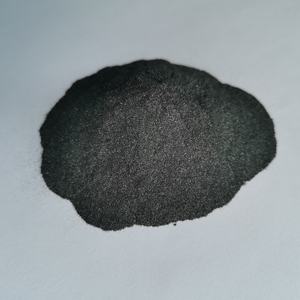
(what wears faster silicon carbide vs tungsten carbide)
A: Definitely! Cost is a big one. Machinability – WC is generally easier to machine into complex shapes than SiC. Weight – SiC is lighter than the very dense WC. Thermal properties – SiC conducts heat better. Chemical resistance – SiC often has an edge. The “best” material balances all requirements for the job.
RELATED POSTS
how to use a silverlune silicon carbide sharpening

Difference between 316 and 316L Stainless Steel

The market application of the polypropylene carpet
